Filler migration: does filler stay where you put it?
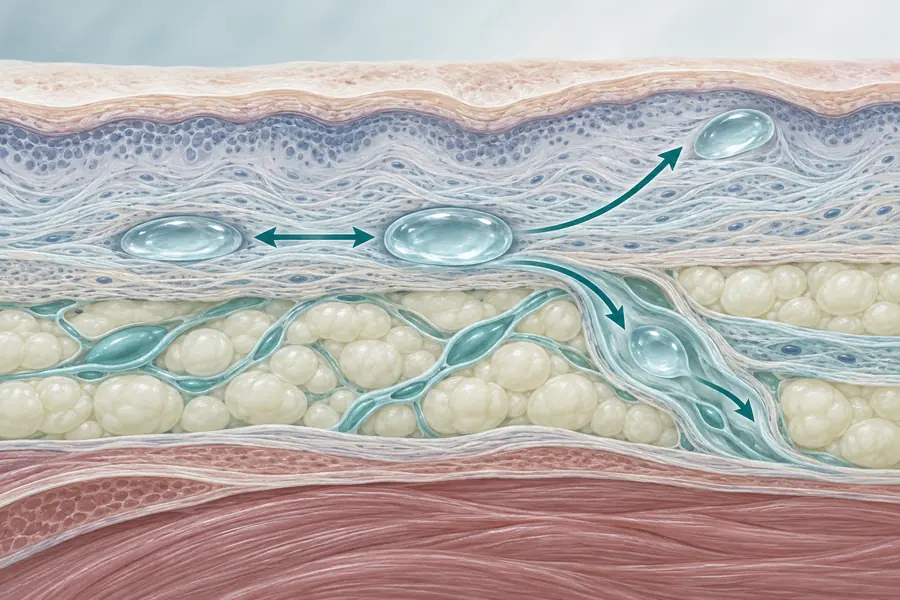
Migration, displacement and persistence — what determines whether product remains in the plane it was placed in.
Clinical background for aesthetic practice: facial injection anatomy, the behaviour of hyaluronic acid fillers, botulinum toxin handling, and the complication patterns that shape safe technique.
These pages collect the reference material that sits behind injectable practice — where the vessels run, why a filler behaves the way it does in tissue, and what the recorded complication literature says about avoiding harm. They describe published knowledge; they are not treatment protocols.
Migration, displacement and persistence — what determines whether product remains in the plane it was placed in.
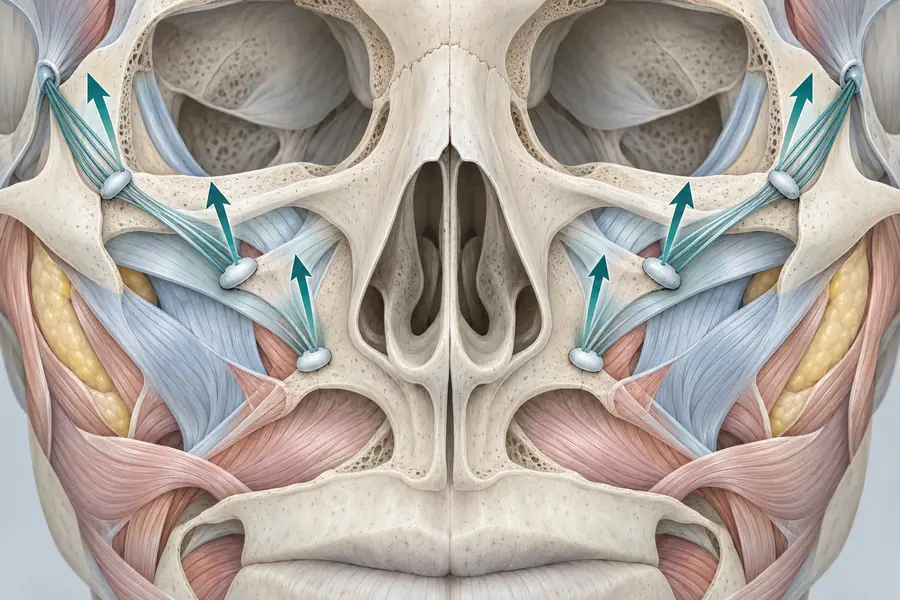
Lifting as a mechanical concept — supraperiosteal placement at fixed points, ligamentous anchoring, and why small volumes correctly sited outperform …
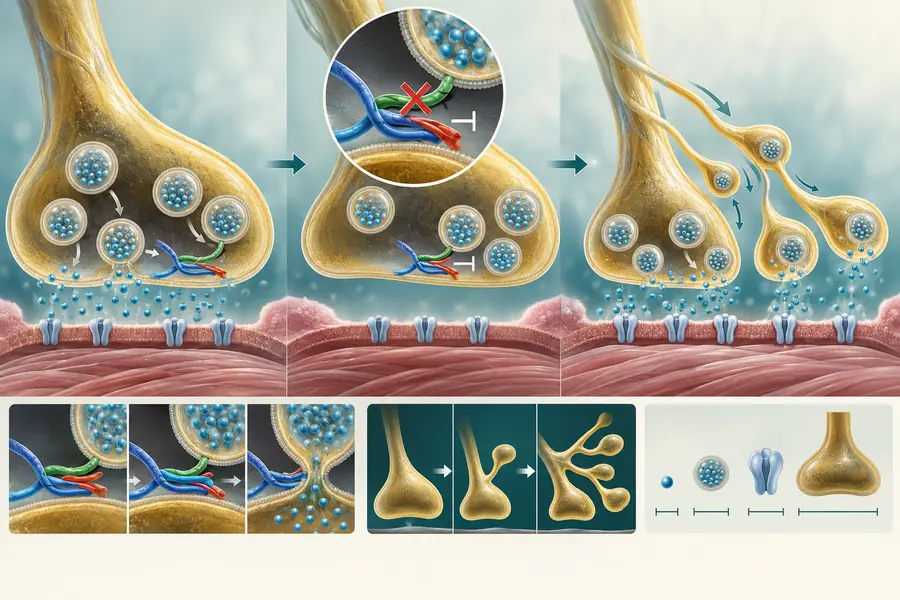
Serotypes, SNAP-25 cleavage, recovery by terminal sprouting, why units do not convert between brands, and the basis of secondary non-response.
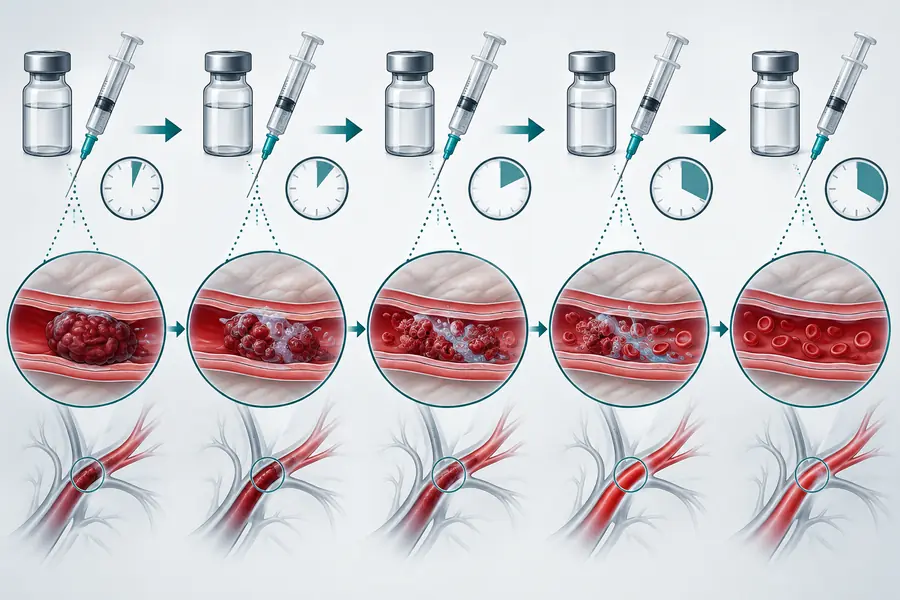
Why emergency reversal uses repeated high doses rather than a single injection, and what the published protocols and case reports actually describe.
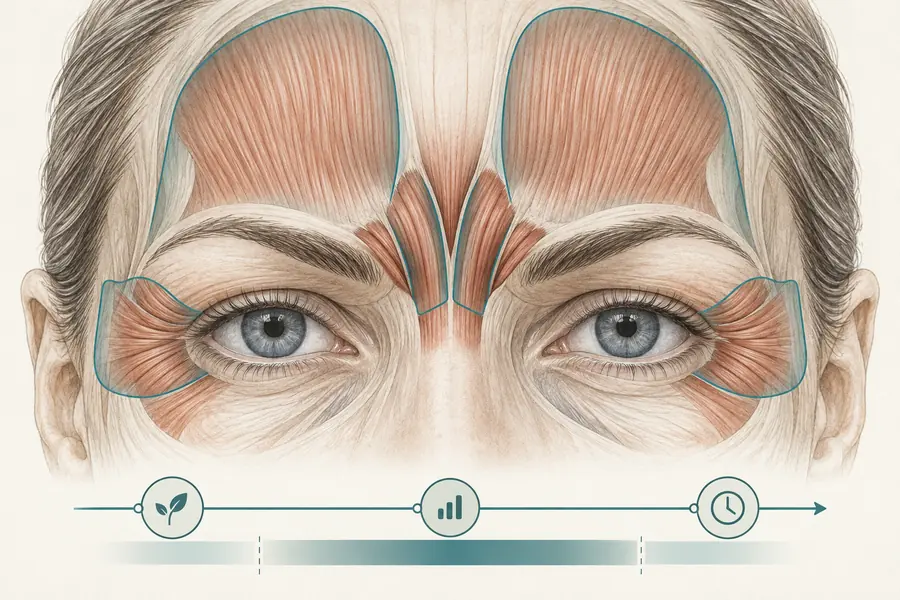
A reference on glabellar complex, lateral canthal lines and frontalis treatment, covering mechanism, onset, duration and the diagnostic value of a …
What the enzyme does to crosslinked gel, why product characteristics change how much is needed, and what it also does to the patient's own tissue.
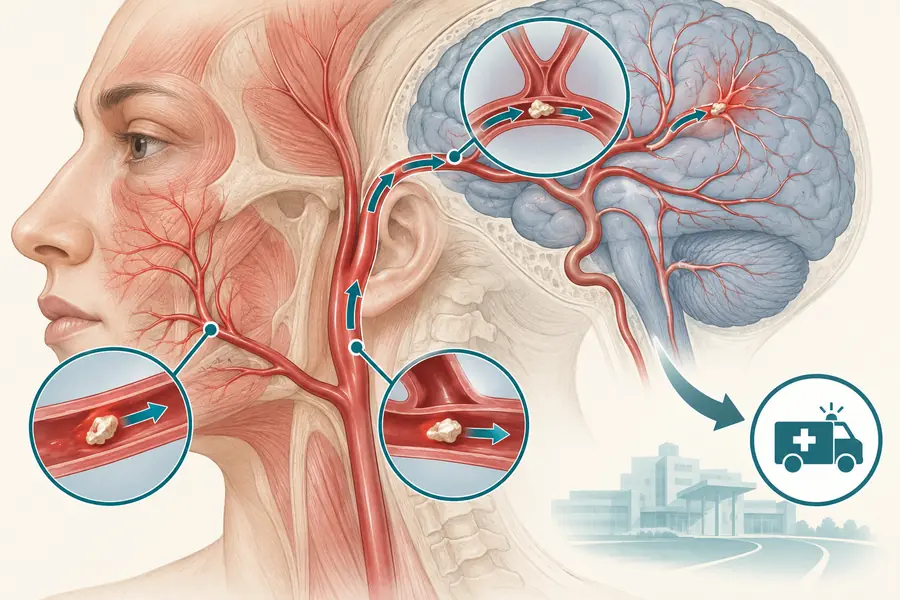
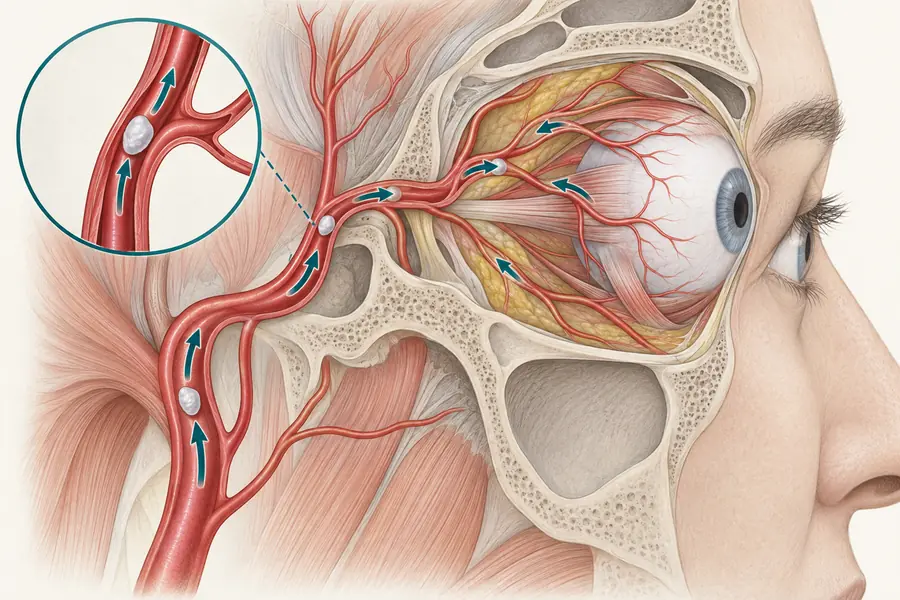
A rare but documented complication in which embolised material reaches the intracranial circulation — and why it is a transfer, not a clinic-managed …
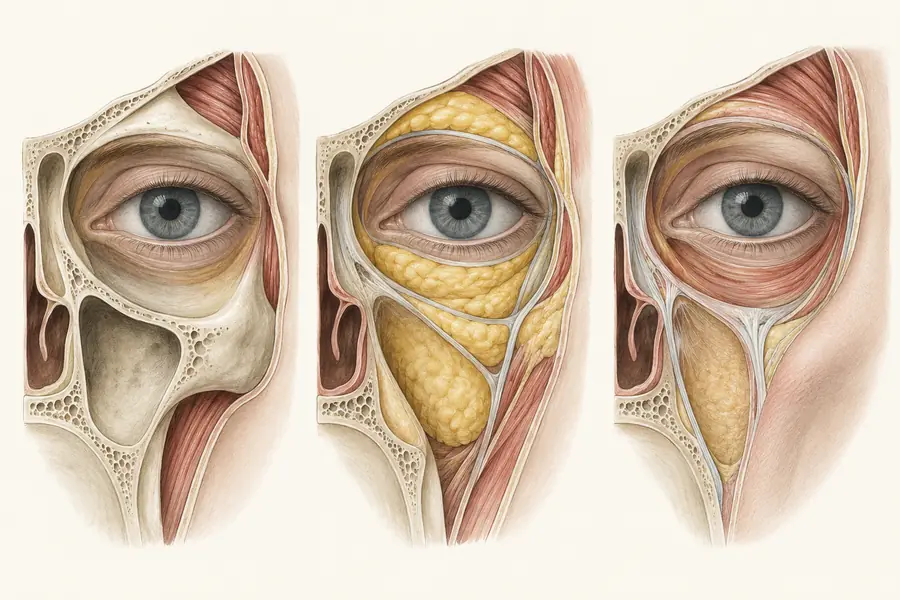
Three different causes of the same infraorbital hollow, and why choosing the wrong one produces the results that make patients regret filler.
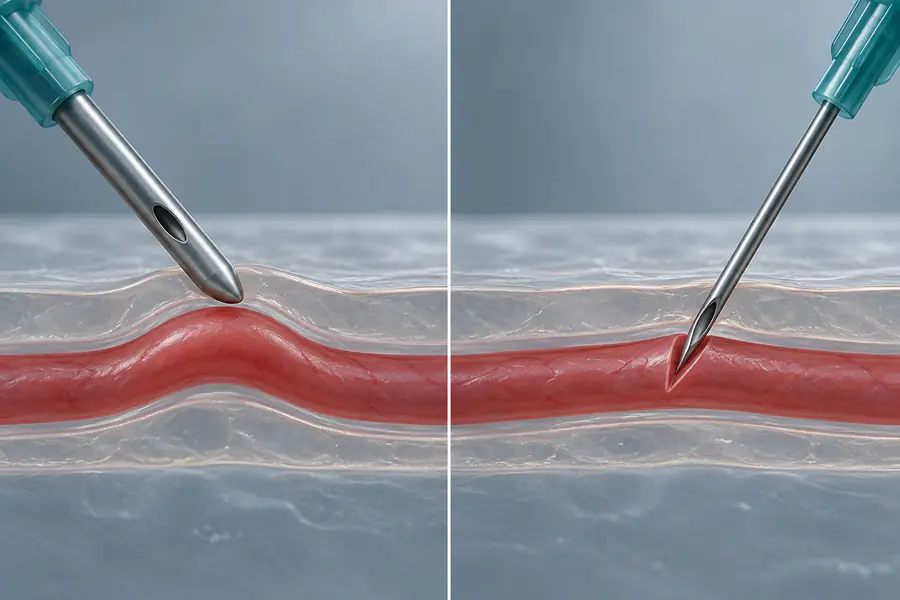
What the comparative data actually show about cannulas versus needles — a large reduction in reported occlusion, and the caveats that go with it.
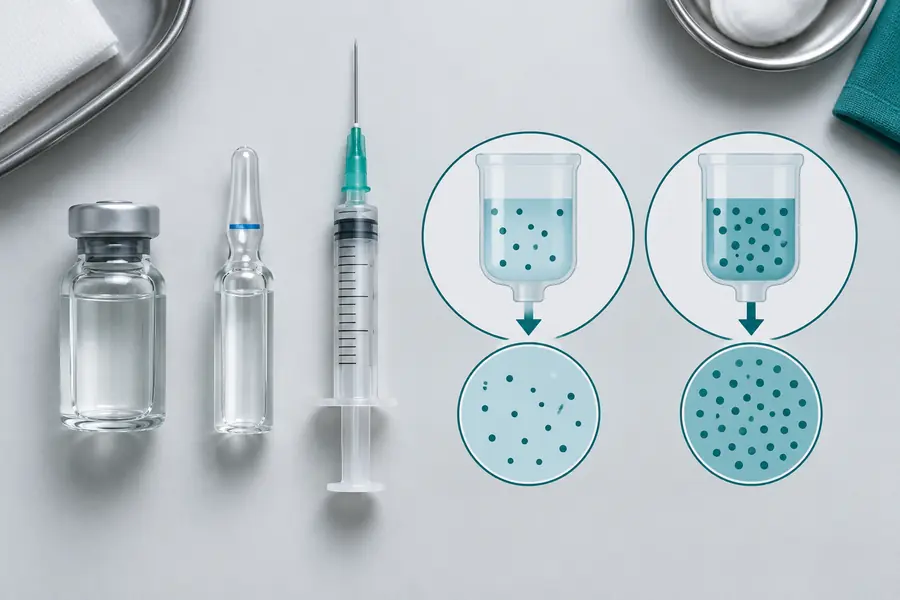
Why the reconstitution of hyaluronidase differs between elective dissolution and vascular emergency, and why no reliable …
The reported distribution of cases, the mechanism, the sixty-to-ninety-minute window, and what the published guidance says to do.
Reading the face as a surface of lights and shadows, and why that reading determines where volume should go.