Botox (onabotulinumtoxinA) and Allergan Units
The Allergan preparation of botulinum toxin type A, measured in Allergan Units — the product whose brand name became the generic term for the whole category.
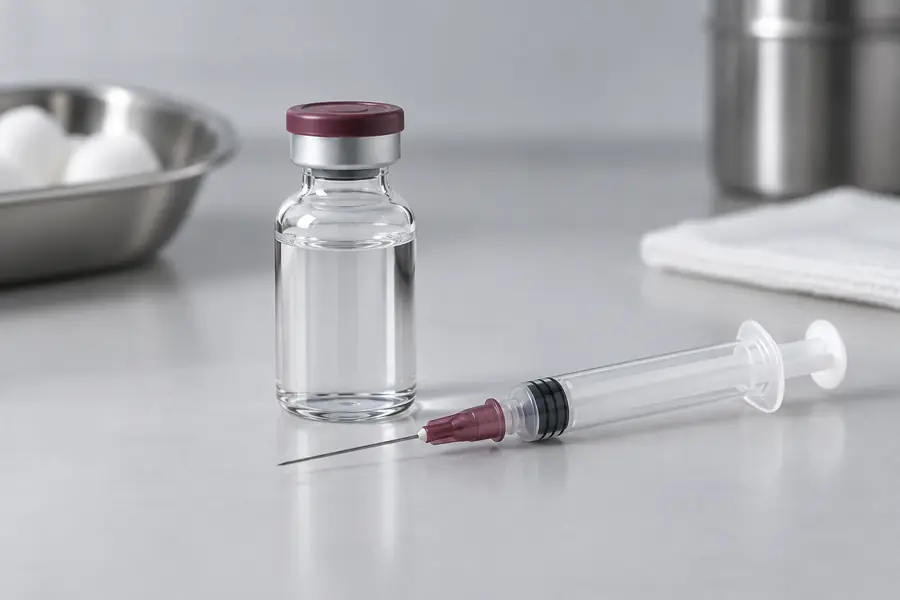
Botox is the Allergan preparation of botulinum toxin type A. Its international non-proprietary name is onabotulinumtoxinA. In the UK it is supplied as a powder for solution for injection in 50, 100 and 200 Allergan Unit vials.
Its brand name has become the everyday word for the entire treatment category, which causes persistent confusion: “Botox” in ordinary speech means any botulinum toxin injection, while “Botox” on a prescription means one specific product with one specific unit system.
Composition
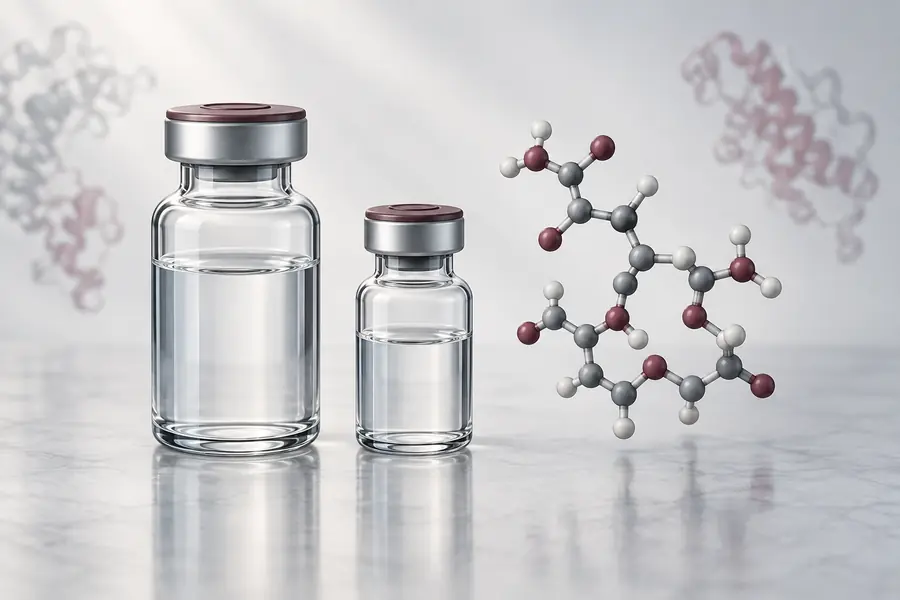
The active substance is botulinum toxin type A derived from Clostridium botulinum. The formulation also contains human albumin and sodium chloride. It is a complex preparation — the neurotoxin is accompanied by the complexing proteins produced alongside it.
Allergan Units
Potency is expressed in Allergan Units. These are defined by the manufacturer’s own assay and are specific to this product.
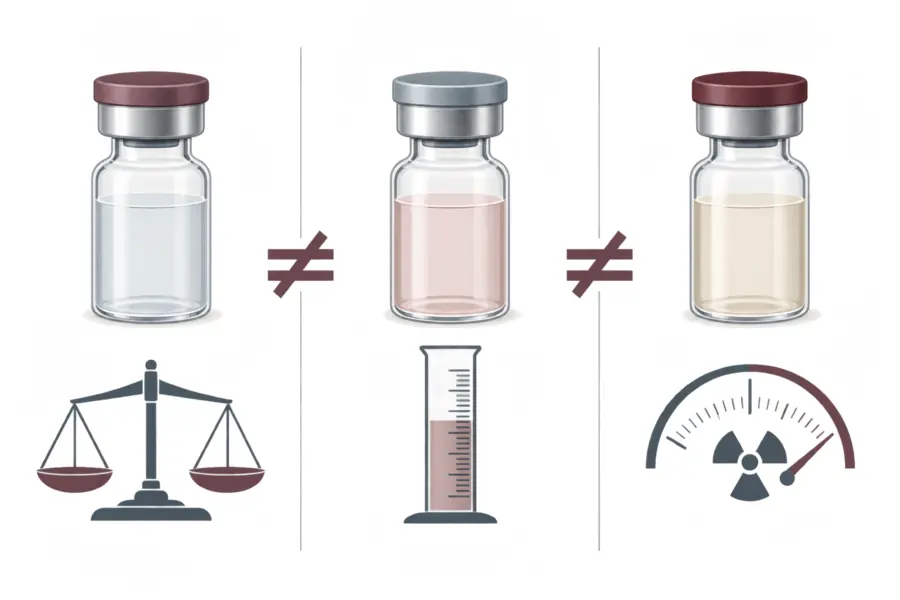
The SmPC states the position directly: botulinum toxin units are not interchangeable from one product to another. An Allergan Unit is not equivalent to a Speywood unit, nor to the unit used by any other preparation, and no conversion factor between them is licensed.
Reconstitution, dose and storage
Set by the manufacturer and published in the SmPC. This page does not restate them, and no figure circulating on a forum or a training slide substitutes for the current product information — SmPCs are revised.
The vial sizes each have their own SmPC, linked below.
Diluent and dilution — what is decided by whom
Botox is supplied as a powder and must be dissolved before use. Two things get confused in the way this is discussed.
The diluent — what the powder is dissolved in — is specified by the manufacturer. Sterile sodium chloride solution for injection is the diluent named in the product information. Preserved (bacteriostatic) saline is widely discussed among practitioners because the preservative is associated with less discomfort on injection, but whether it may be used, and in what circumstances, is a matter for the SmPC and for the prescriber, not for a website. The UK product information is linked below and is the only current authority on it.
The dilution — how much diluent is added, and therefore how concentrated the reconstituted solution is — likewise comes from the manufacturer. It is not a free variable to be copied from a training slide: concentration determines how far the product diffuses from where it is placed, and diffusion into a neighbouring muscle is how ptosis and asymmetry happen.
A vial of Botox that has been diluted more heavily yields a larger volume of weaker solution; the same product diluted less gives a smaller, more concentrated one. Both may contain the same total activity and behave quite differently in tissue — which is why diluted product is not interchangeable with the same product prepared another way.
Nothing on this page tells you how to dilute anything. If a figure is what you need, it is in the SmPC for the vial in front of you, in its current revision.
Regulatory status in the UK
Prescription-only. That has two consequences worth stating plainly. It may not be advertised to the public, which is why compliant UK clinics describe “anti-wrinkle injections” rather than naming the product. And it requires an individual prescribing decision made after assessment of a specific patient.
This page is a reference note. It carries no dose, no injection points and no dilution figures: those are set by the manufacturer and published in the Summary of Product Characteristics, which is linked below. This site sells nothing and is not a clinic.