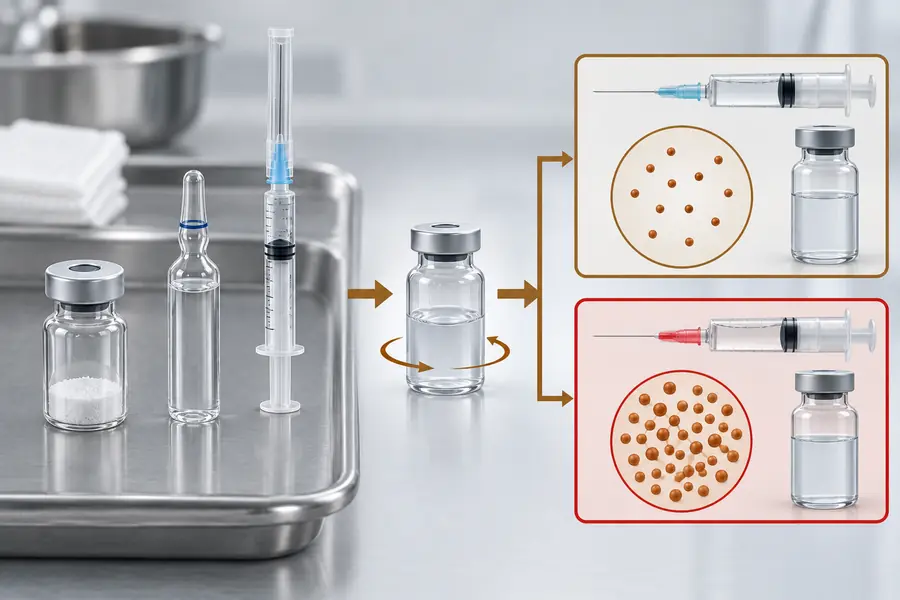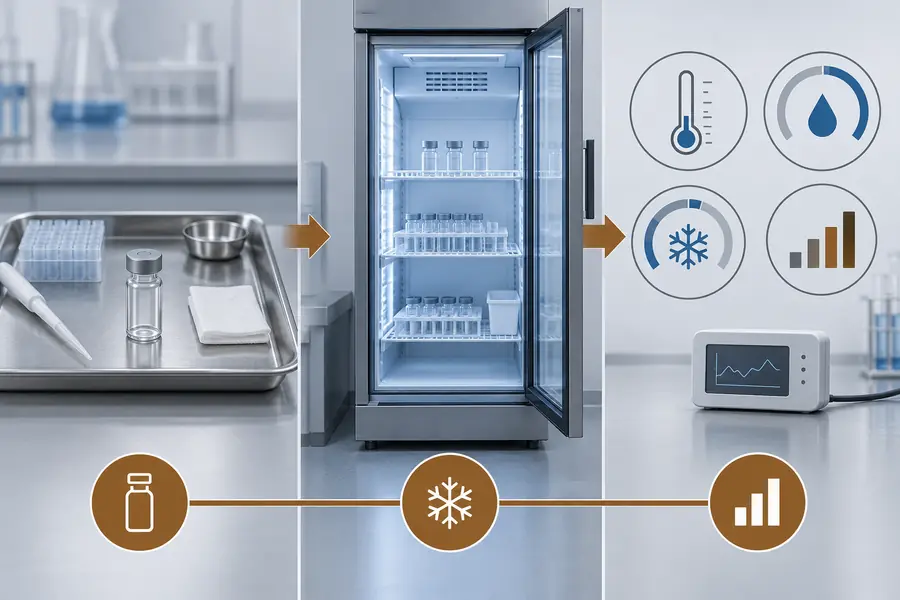
How to store and reconstitute Botox
Cold chain, reconstitution principles, why units are product-specific and never interchangeable, and how UK prescription-only status shapes handling.
Treatment areas and injectable techniques described for reference: the anatomy involved, what the technique aims to achieve, and the risks documented for each region.
Each entry covers one treatment area or technique. The focus is anatomical and descriptive — what structures sit in the region, what the approach is intended to do, and which complications the literature associates with it.
Cold chain, reconstitution principles, why units are product-specific and never interchangeable, and how UK prescription-only status shapes handling.
Why concentration governs tissue contact in hyaluronidase use, the high-dose pulsed protocol figure, and the difference between elective and emergency …
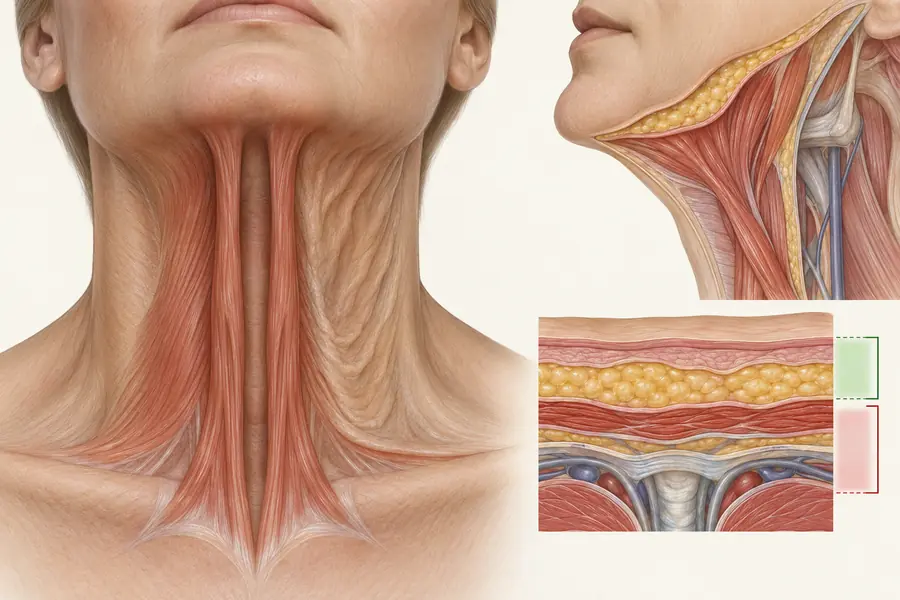
Platysma anatomy, what relaxation can and cannot achieve, why skin laxity is not a toxin problem, and the risks of deep or excessive neck treatment.
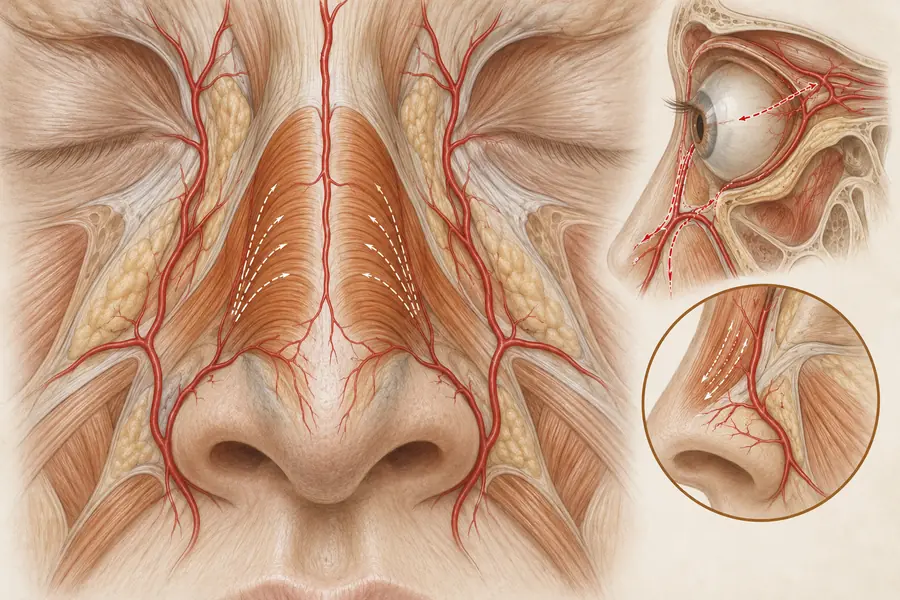
Nasalis and bunny lines as compensation after glabellar treatment, and why the nasal region ranks second in the reported filler blindness series.
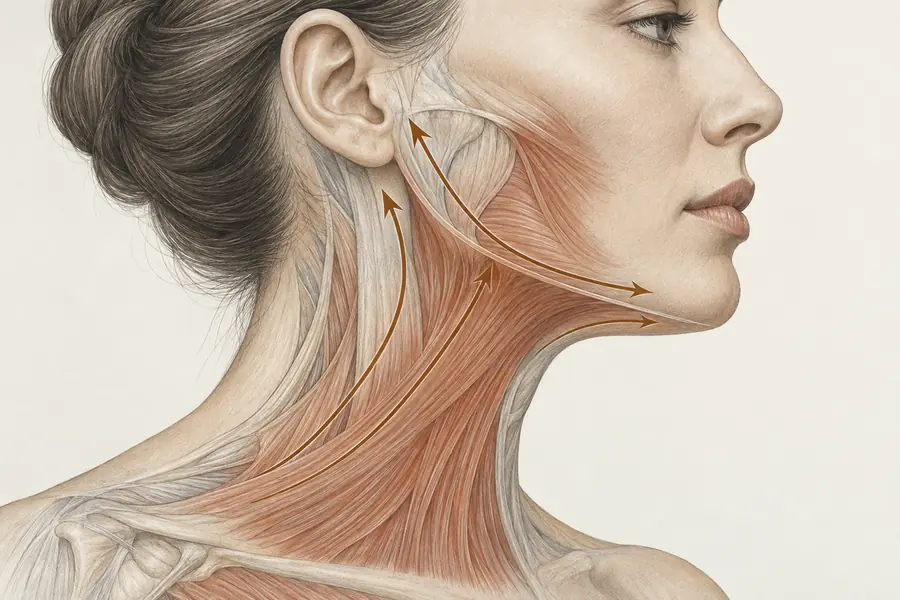
How platysmal pull blurs the jawline, what relaxing the platysma can achieve, and the neck-specific risks of over-treatment including dysphagia.
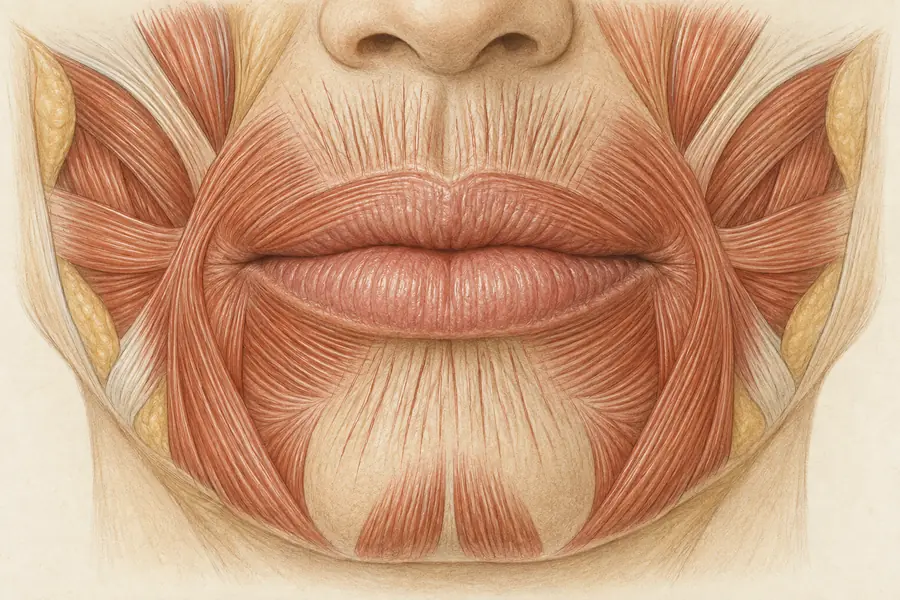
Orbicularis oris as a sphincter, the labial arteries near the wet-dry border, and the functional cost of weakening a muscle used for speech and …
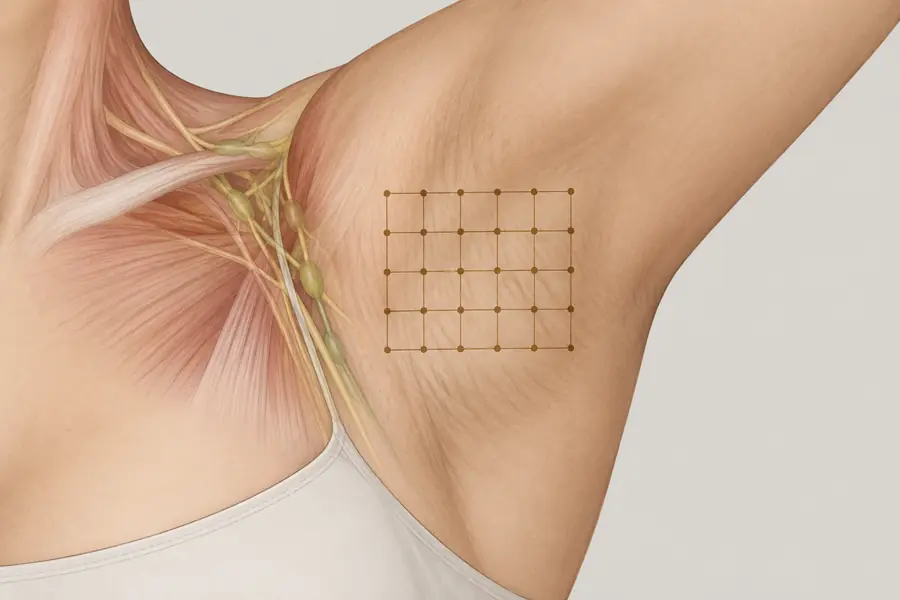
Why botulinum toxin affects sweat glands, how axillary and palmar treatment differ, and why grip weakness is the palmar-specific documented risk.
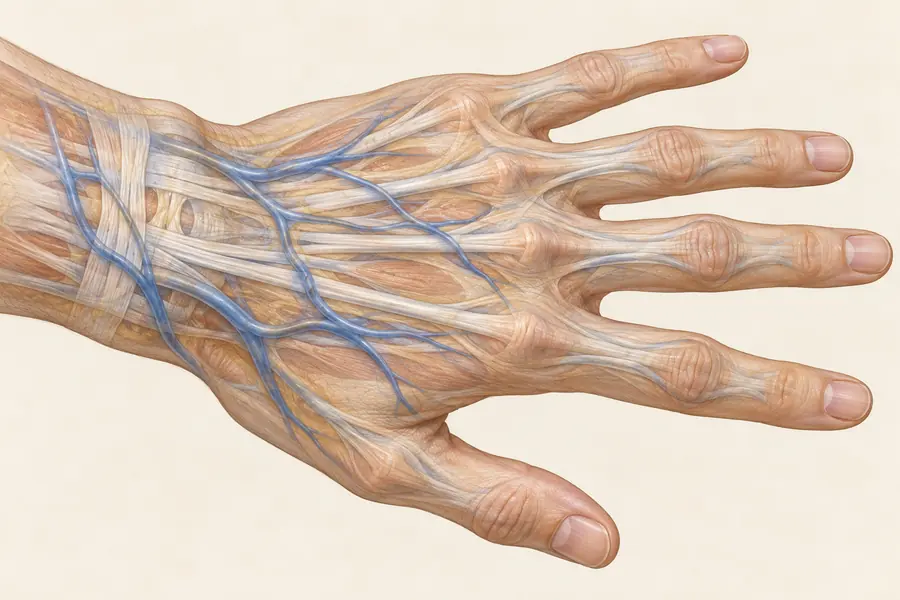
Calcium hydroxylapatite on the dorsal hand: immediate volume plus collagen stimulation, irreversibility with hyaluronidase, and nodule risk in thin …
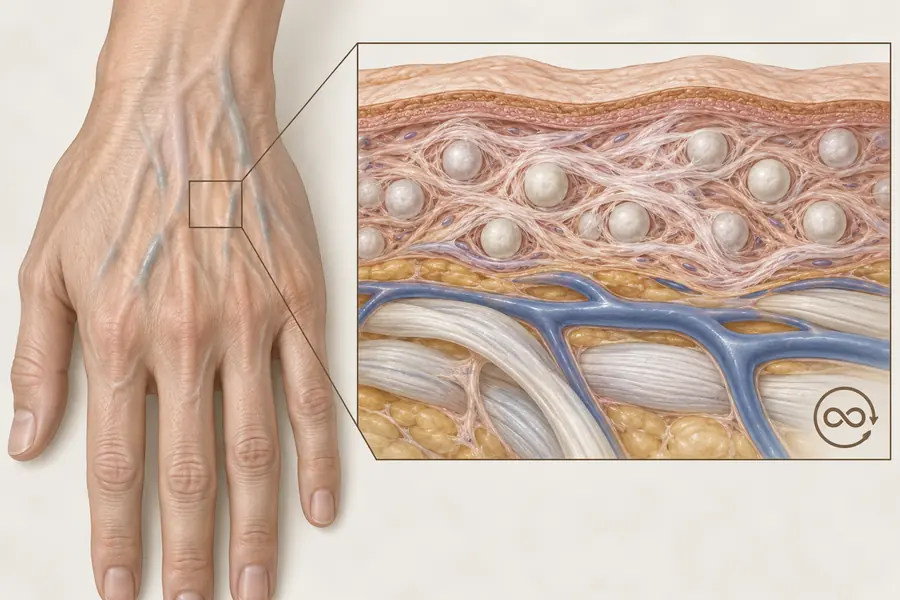
Dorsal hand volume loss, the superficial lamina plane, the tendon and venous anatomy that shapes it, and why overcorrection is the characteristic …
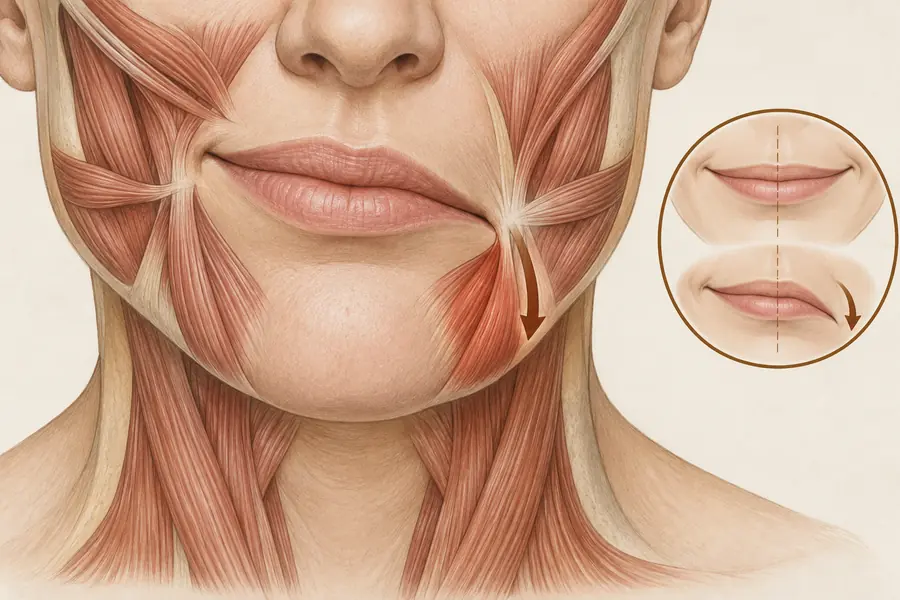
Why the oral commissure turns down, the depressor anguli oris and its neighbours, and how diffusion here produces an asymmetric smile.
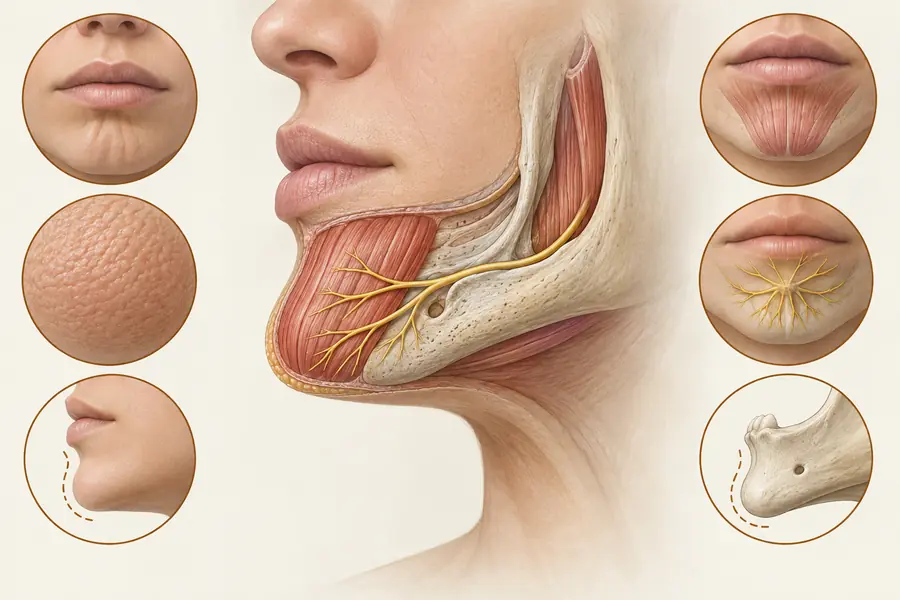
Reference notes on chin anatomy, the mentalis muscle, mental nerve territory, and why projection and skin texture are separate assessment problems.
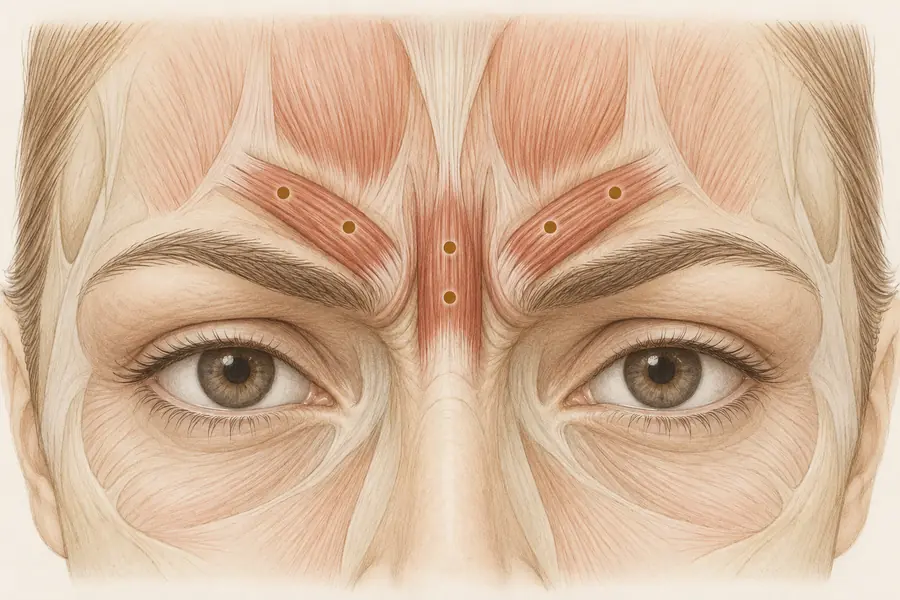
Anatomy of corrugator and procerus, the mechanism of eyelid ptosis after glabellar treatment, and why this region leads the reported blindness series.