Aesthetic facial procedures
The umbrella term for non-surgical facial interventions — injectables, energy devices and chemical resurfacing — grouped by what they do to tissue rather than by marketing category.
Aesthetic facial procedures covers non-surgical intervention on the face. The useful way to group them is by mechanism, because that is what determines both the result and the risk.
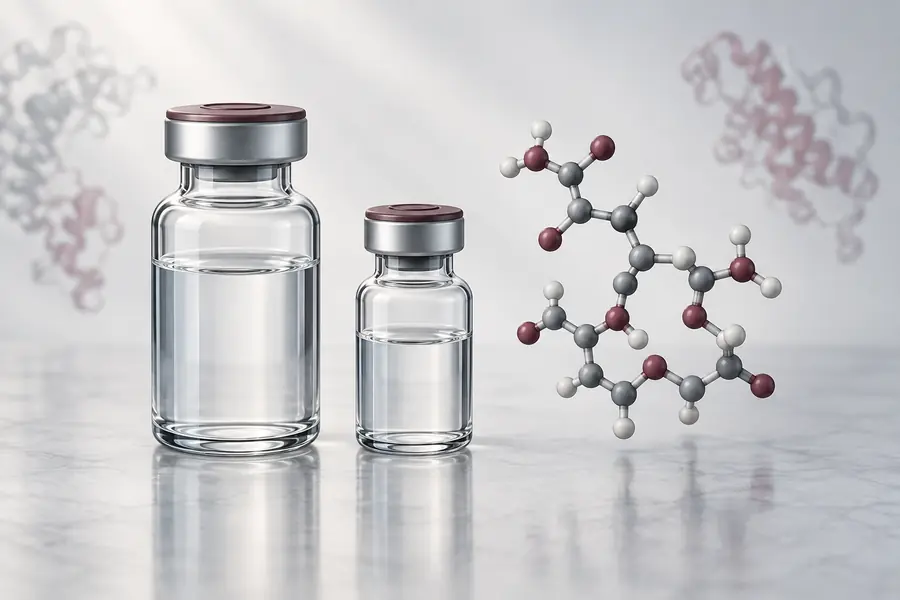
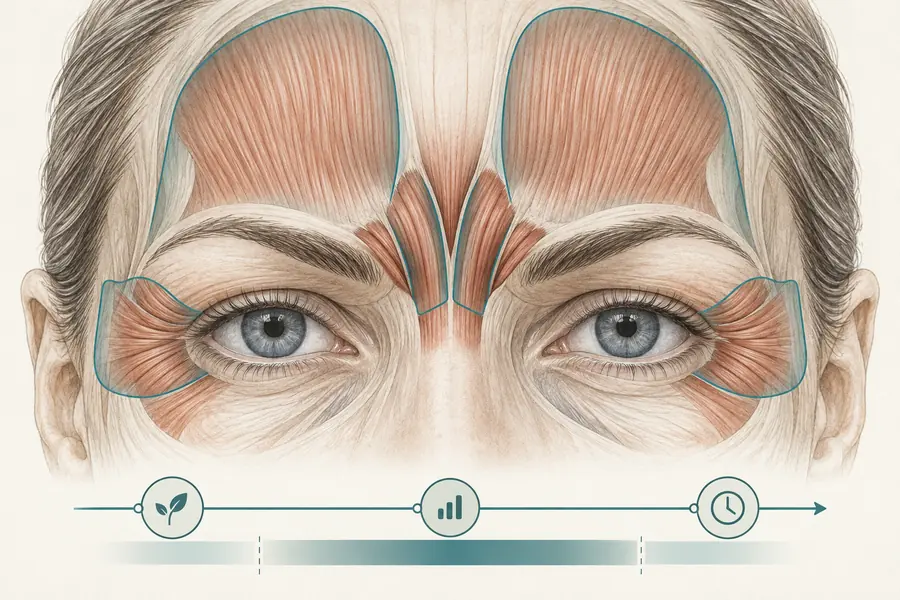
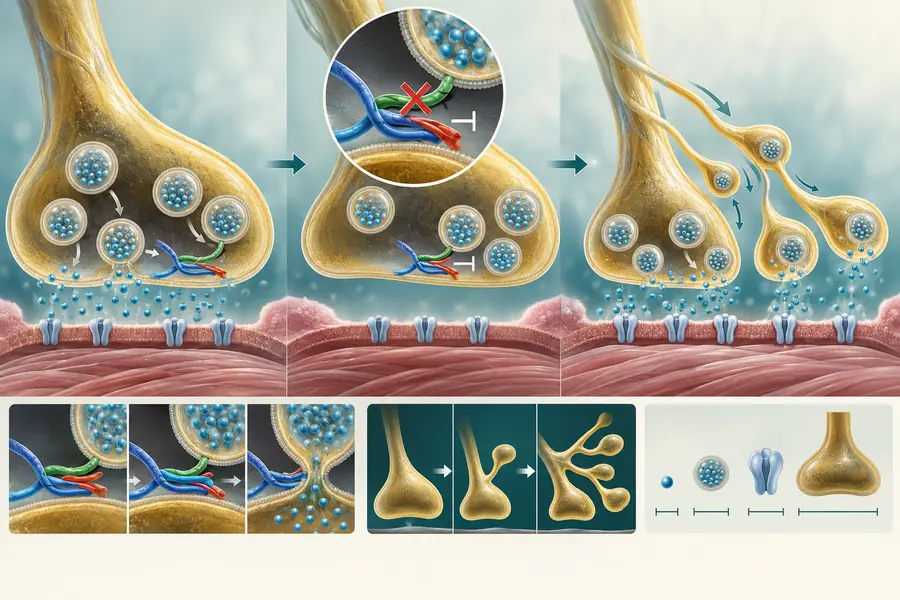
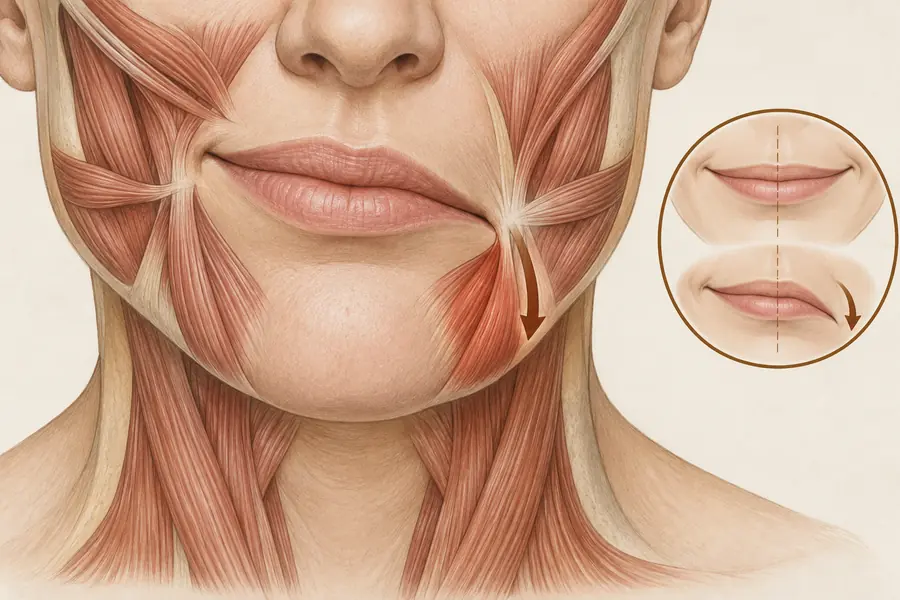
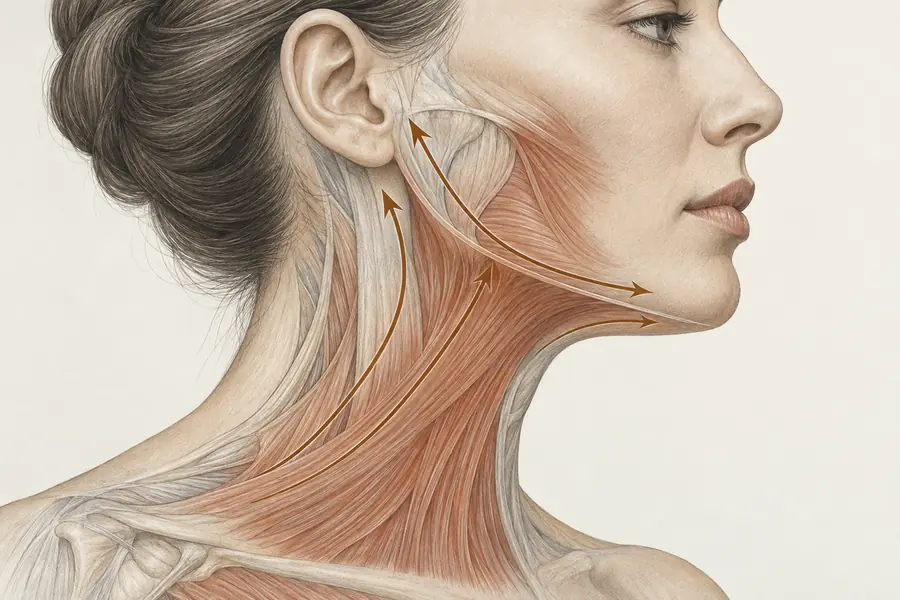
Relaxation. Botulinum toxin reduces muscle pull. It treats lines caused by movement and does nothing for lines etched at rest.
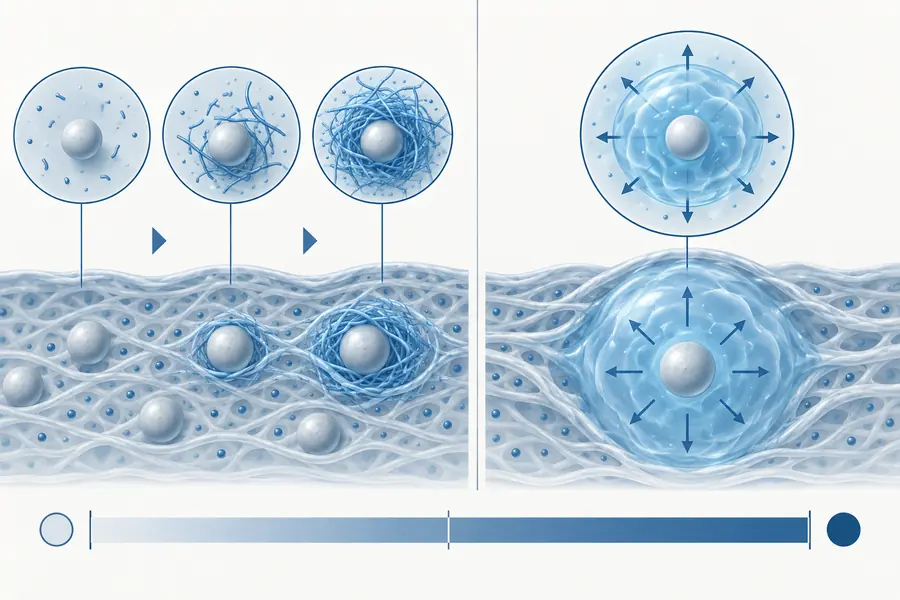
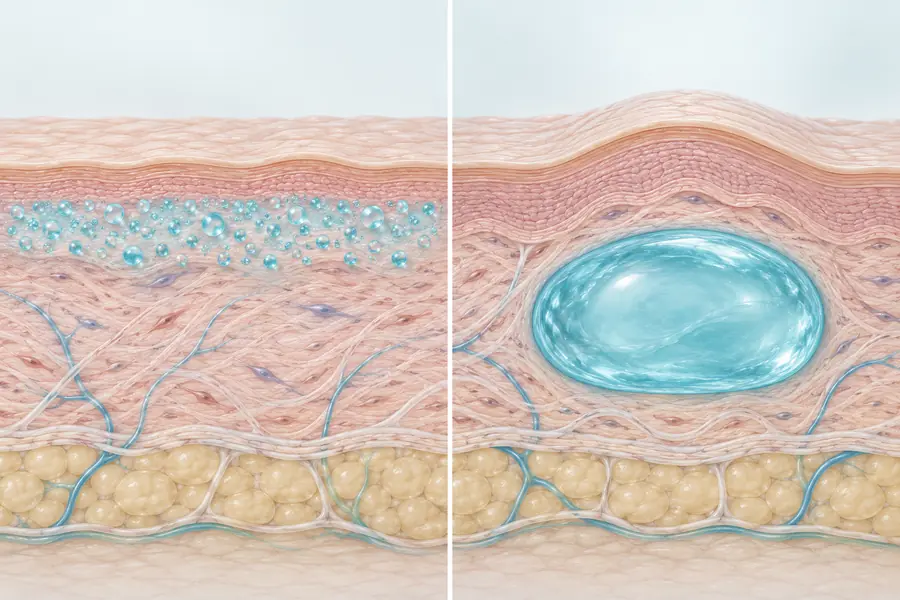
Volume and support. Fillers, most commonly crosslinked hyaluronic acid, occupy space and resist deformation. They address structural loss rather than muscular activity.
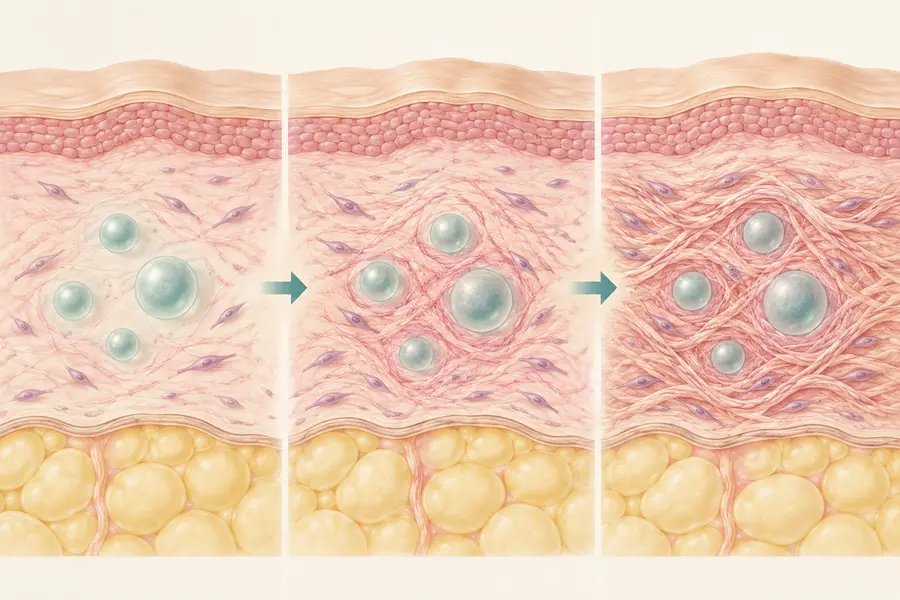
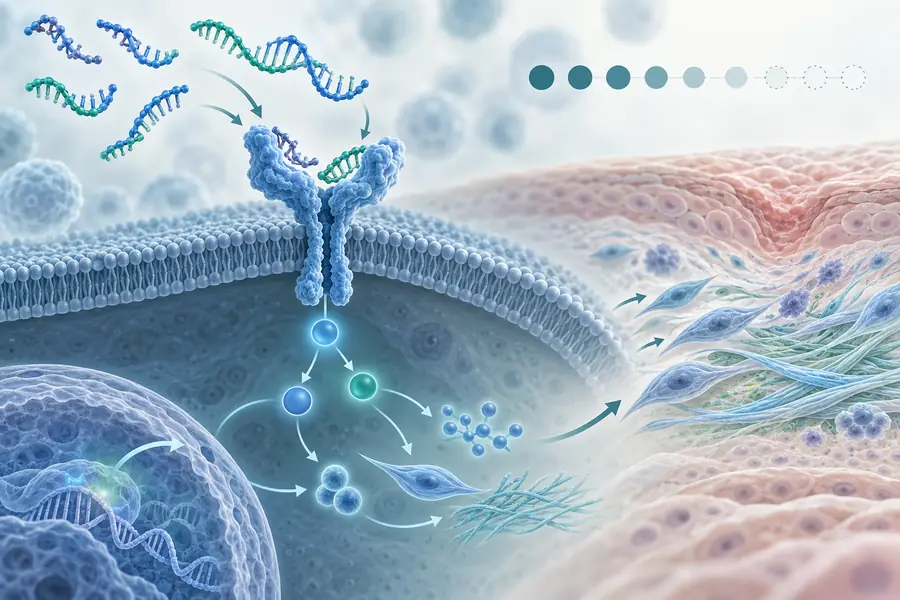
Stimulation. Poly-L-lactic acid, calcium hydroxylapatite and microneedling provoke a controlled wound-healing response so the tissue makes its own collagen. Onset is slow and the endpoint is less predictable.
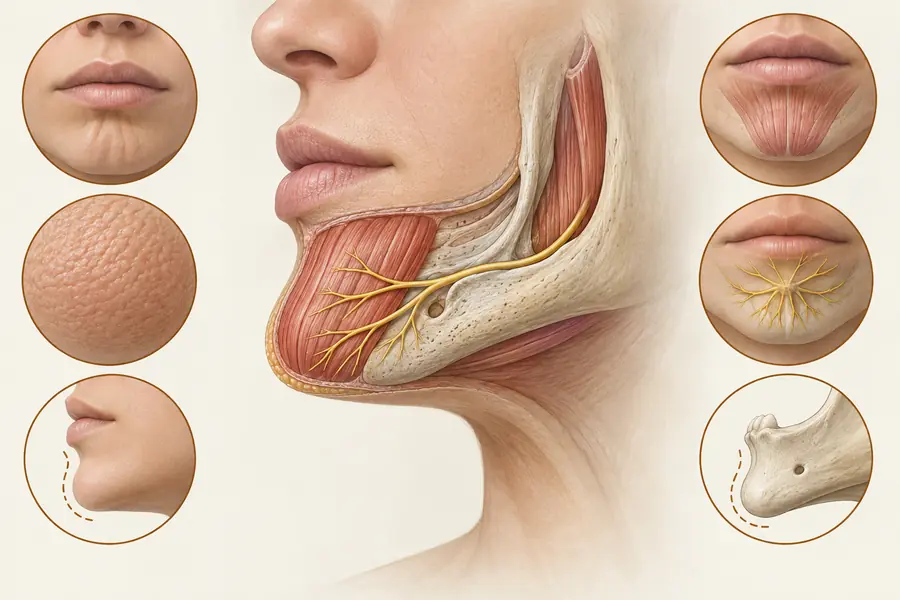
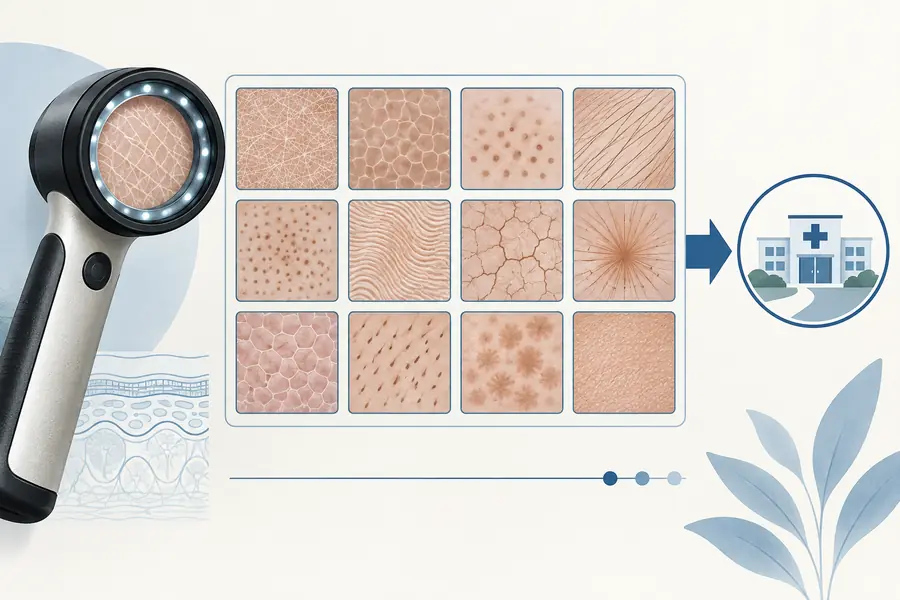
Resurfacing. Peels and ablative devices remove epidermis and part of the dermis so it regenerates. This changes surface quality — texture, pigment, fine crepe — not contour.
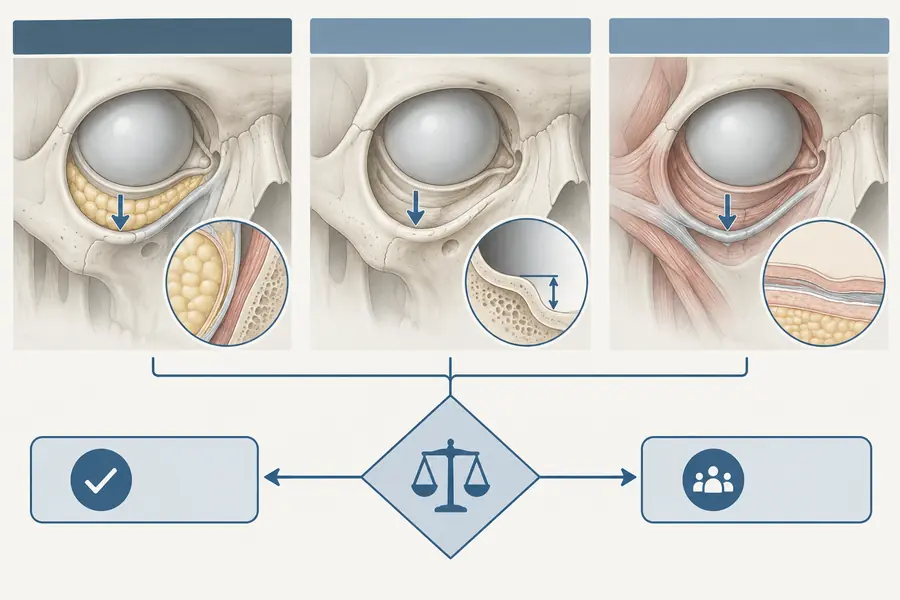
Mixing categories is where trouble starts. A patient whose complaint is volume loss will not be satisfied by relaxation, and one whose complaint is movement will not be helped by filler. Most disappointing outcomes described in the literature are matching failures rather than technical ones.