Complications
Adverse outcomes of injectable treatment, conventionally sorted by onset — immediate, early and late — because timing is the strongest clue to mechanism.
In injectable practice complications are classified by when they appear, because onset narrows the mechanism faster than appearance does.
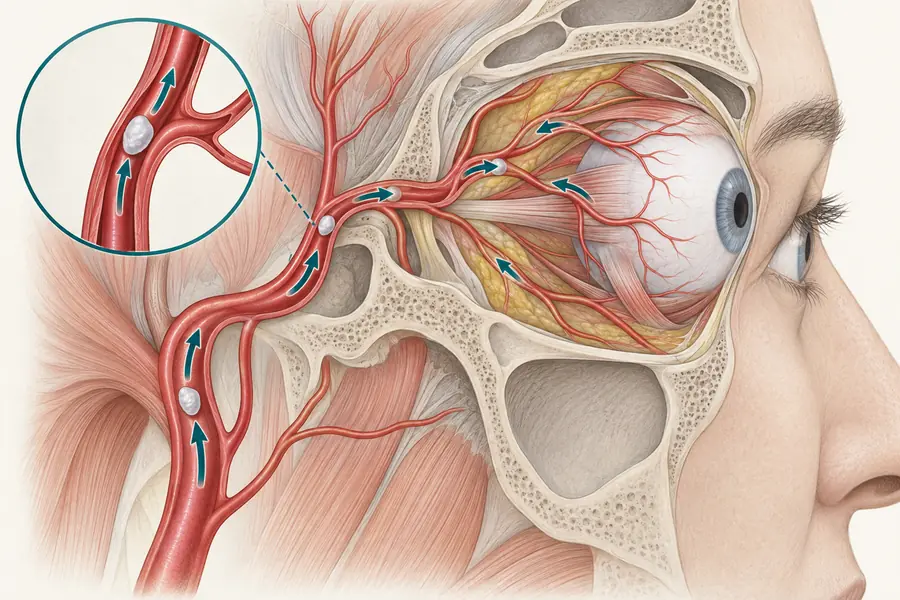
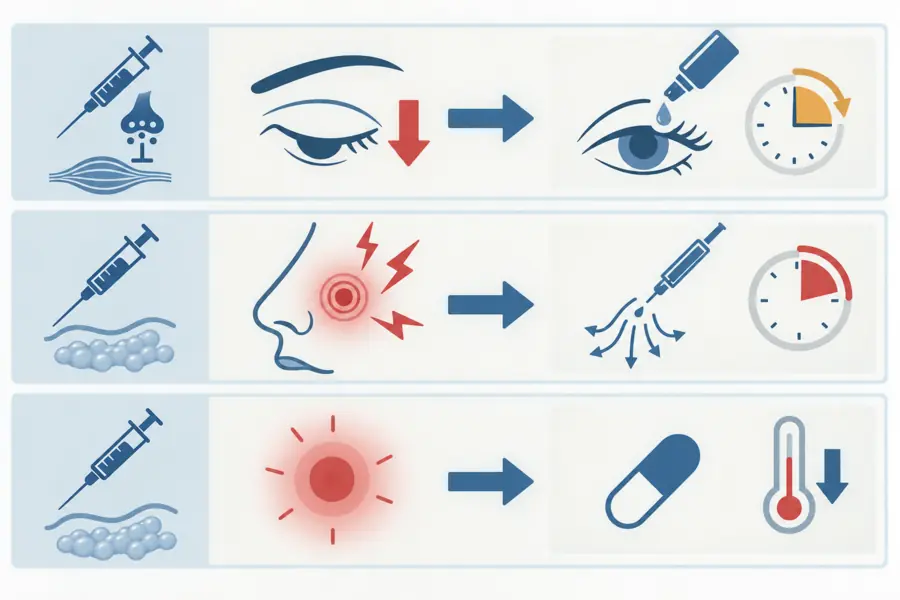
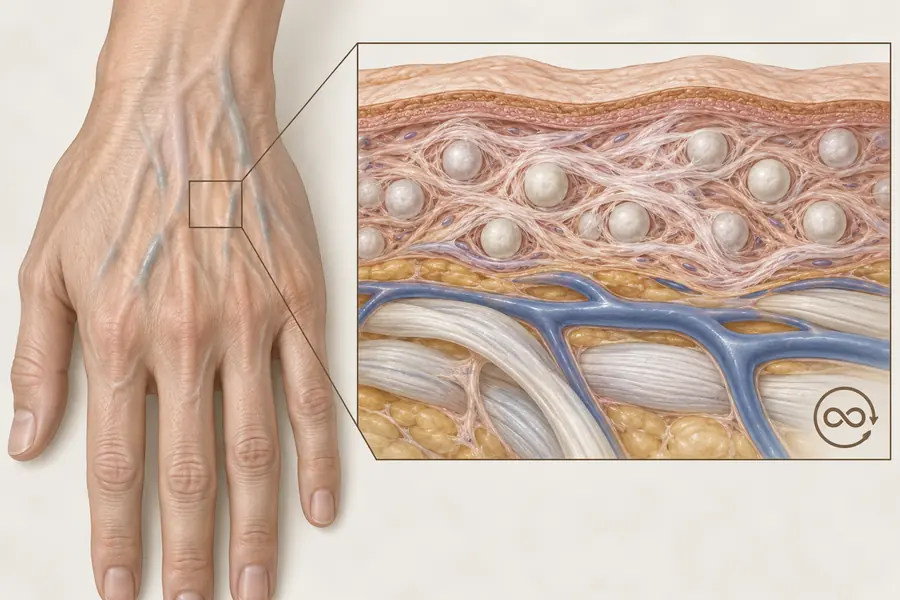
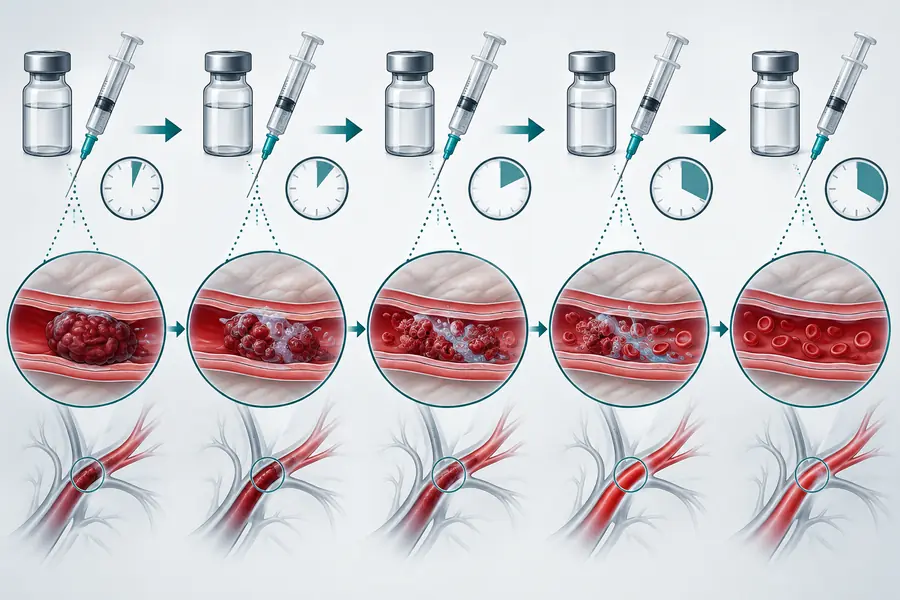
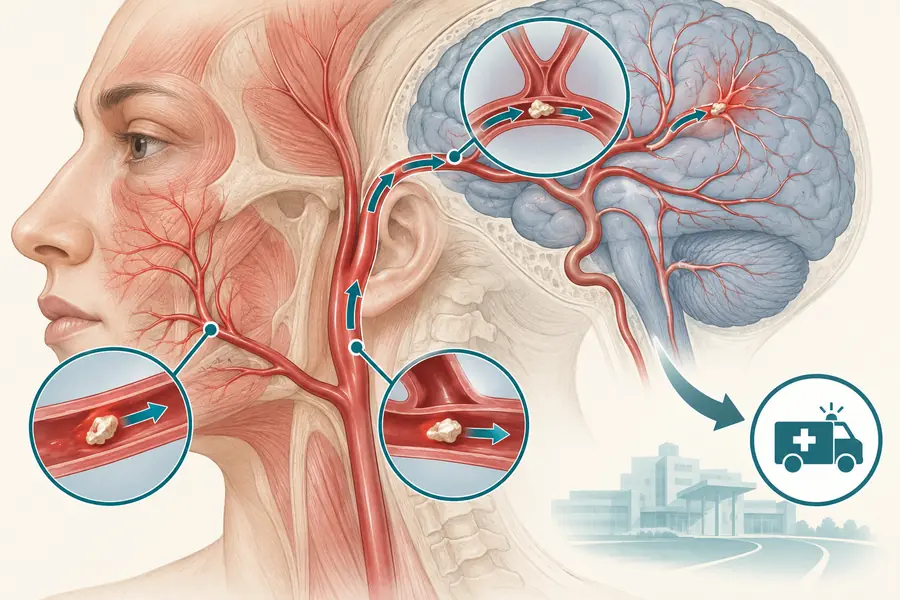
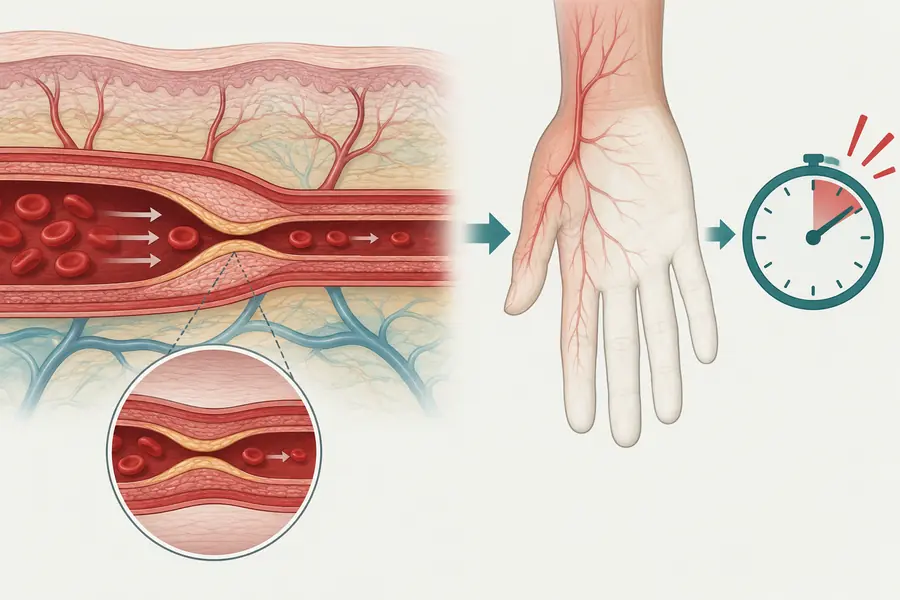
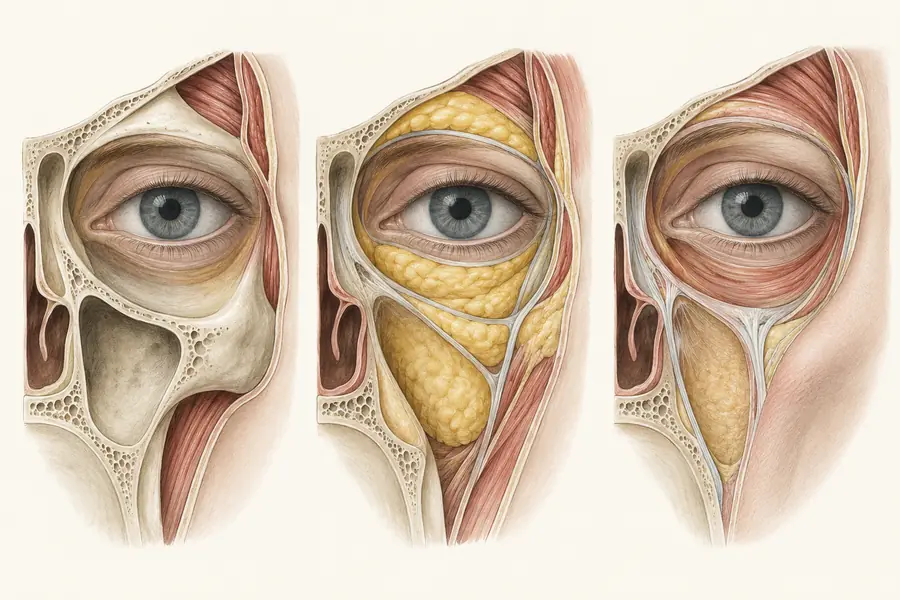
Immediate — minutes. Vascular occlusion is the emergency. Its signature is pain that is disproportionate or, confusingly, absent, together with blanching that follows the territory of an artery rather than the shape of the injection. Vision change, ptosis or ophthalmoplegia during or just after injection indicates orbital involvement.
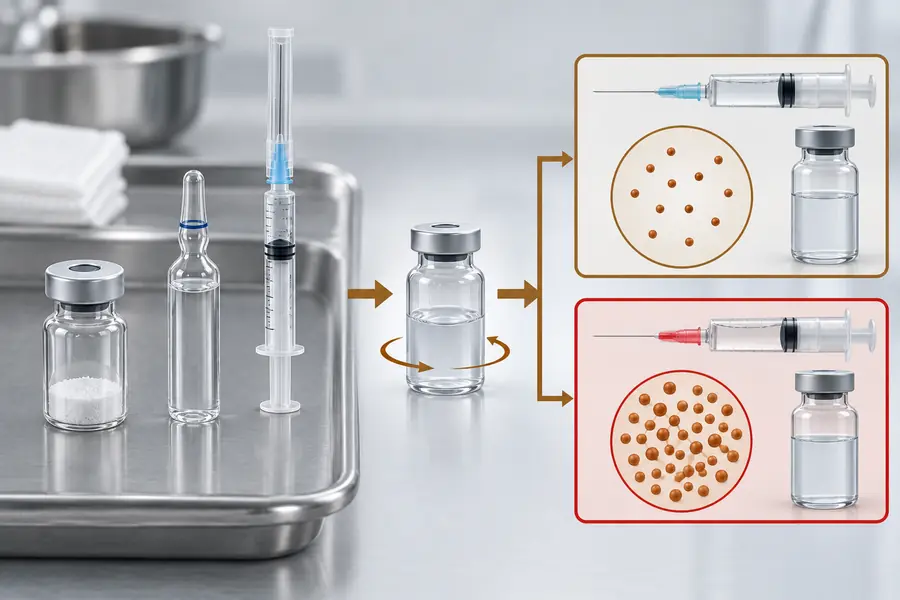
Early — hours to weeks. Bruising, oedema, asymmetry, product visibility, the Tyndall effect from superficial hyaluronic acid, and infection. Tenderness with erythema in the first week suggests bacterial infection; the same picture later raises biofilm.
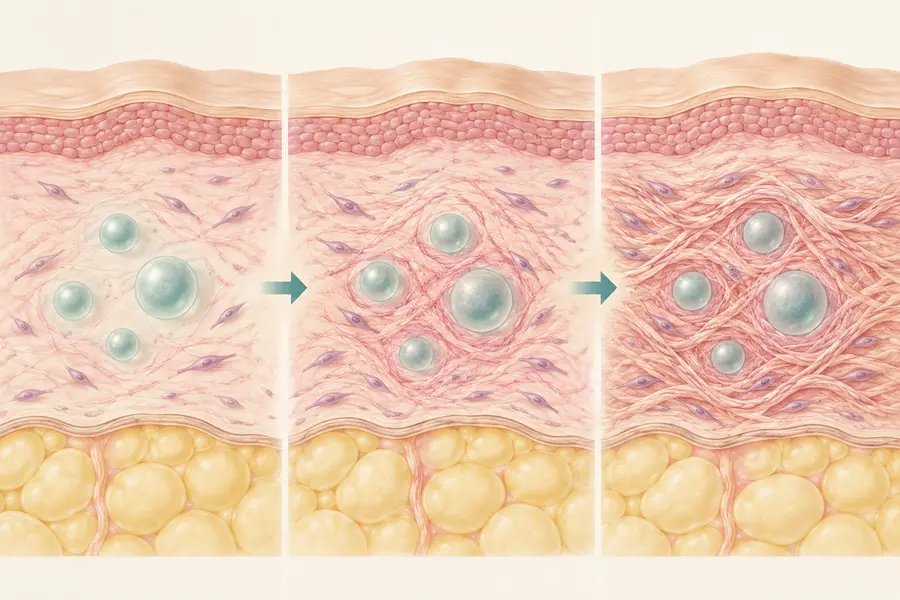
Late — weeks to years. Nodules, granuloma, delayed inflammatory reactions sometimes triggered by systemic illness or vaccination, and migration of product away from where it was placed.
The distinction that governs management is vascular versus non-vascular. Almost everything in the second group can be reviewed at a follow-up appointment. Anything in the first is managed immediately, with hyaluronidase available before the first syringe is opened rather than sourced afterwards.