Dermal fillers
Injectable materials placed in or under the dermis to restore volume and support; in current practice predominantly crosslinked hyaluronic acid, with collagen-stimulating and permanent alternatives.
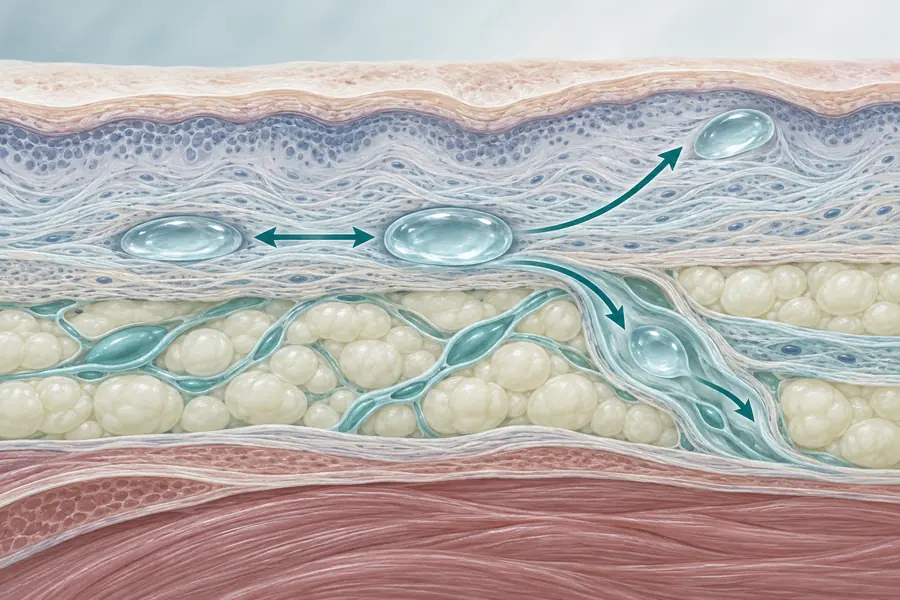
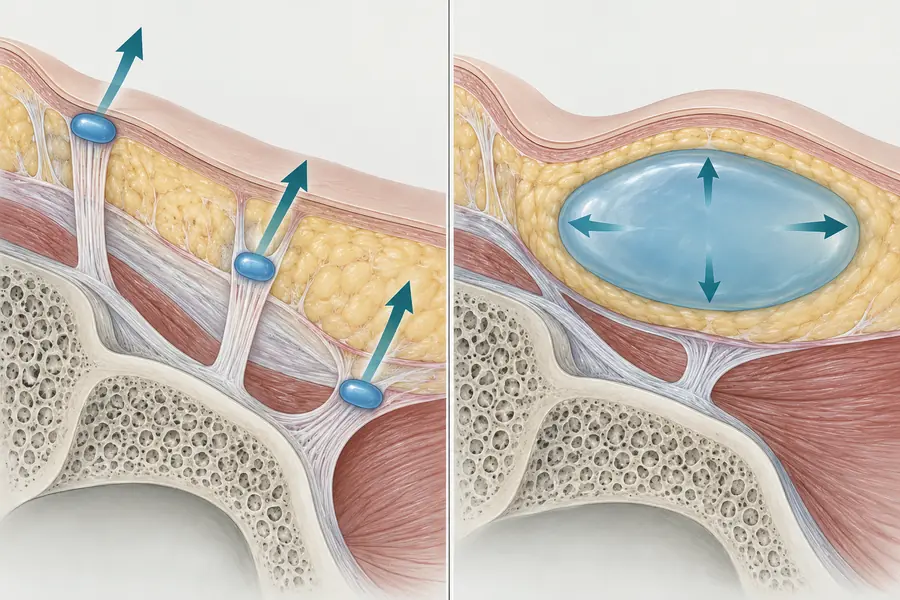
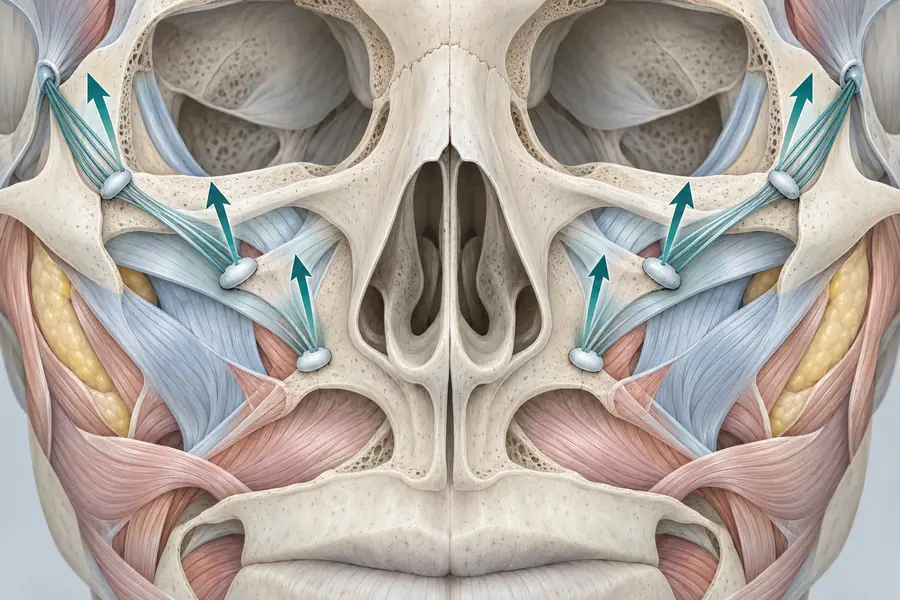
Dermal fillers are injectable materials used to add volume, project a contour or support overlying tissue.
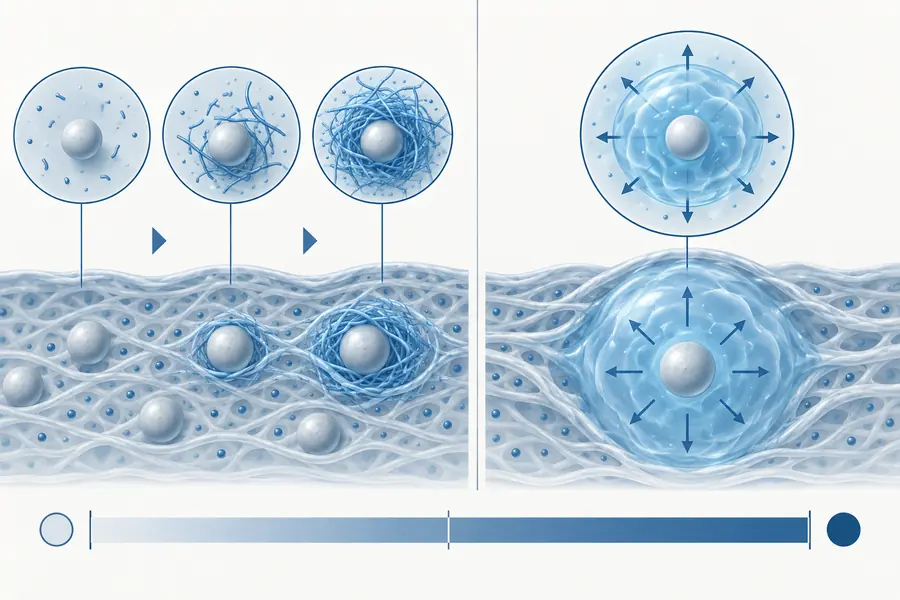
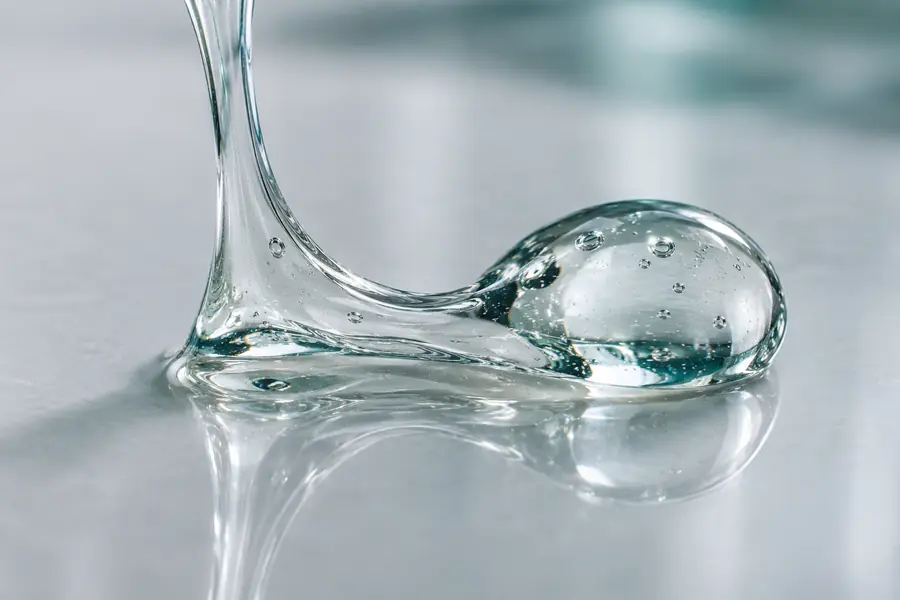
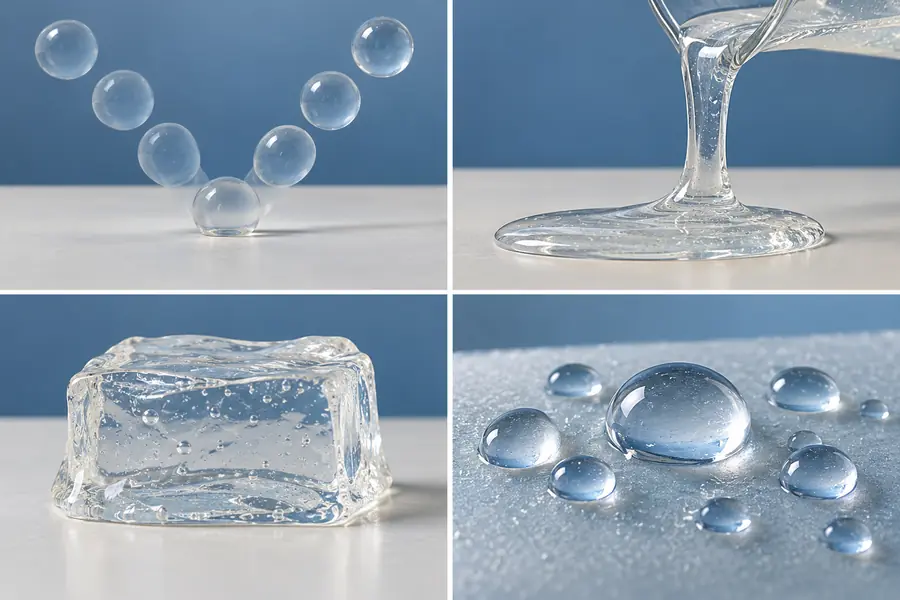
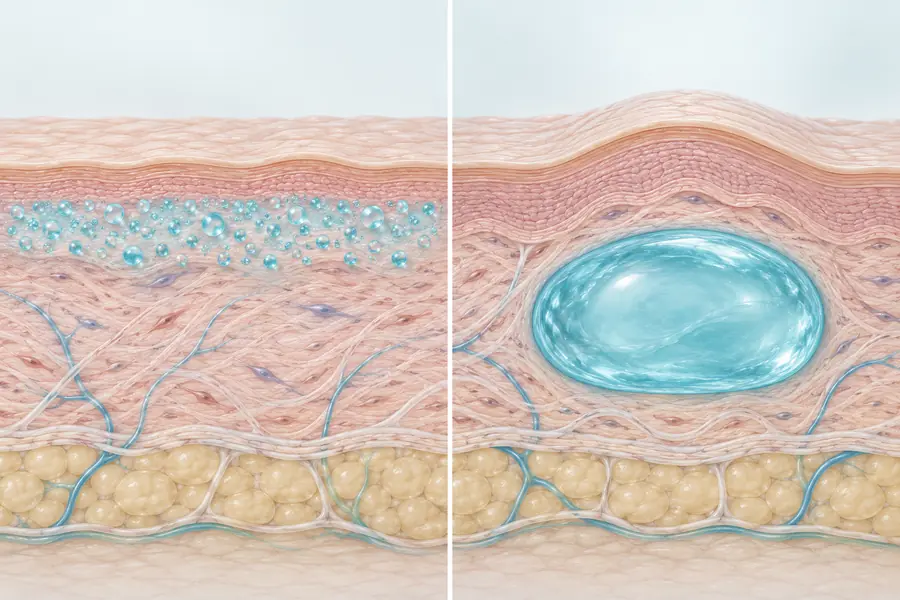
Hyaluronic acid dominates the market and does so for one reason above all: it is reversible. Hyaluronidase degrades it, which turns an error from a permanent problem into a temporary one. HA products are differentiated by crosslinking density and particle size, which together produce the rheological behaviour that determines whether a gel is suited to deep structural support or superficial refinement.
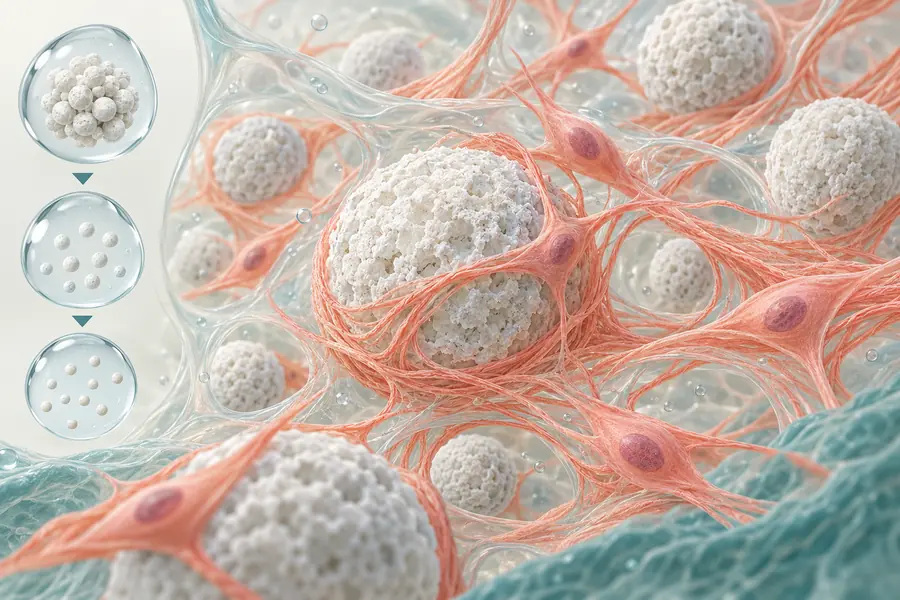
Calcium hydroxylapatite provides immediate volume and stimulates collagen. It is not reversible with hyaluronidase.
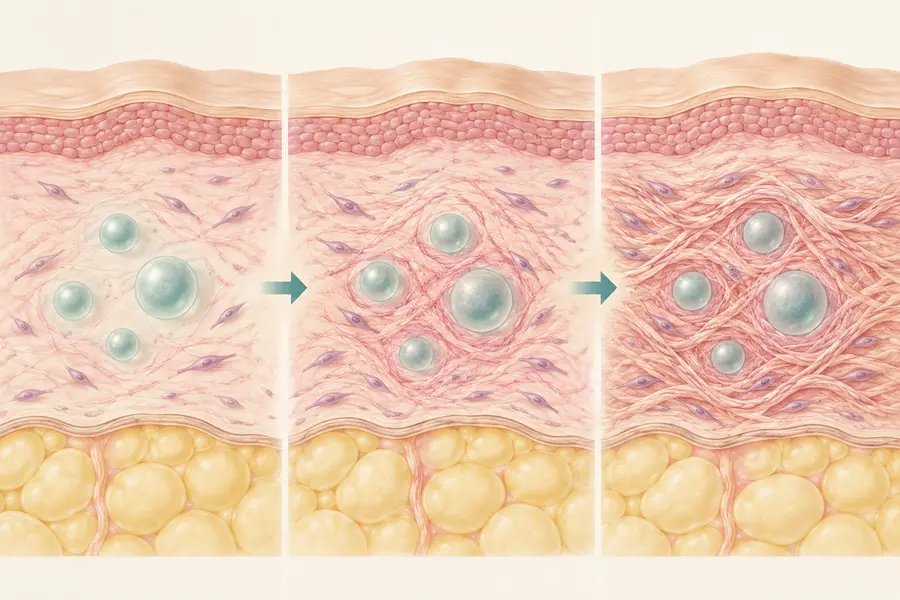
Poly-L-lactic acid provides no immediate correction; it provokes gradual collagen formation over months, requiring a treatment series and patience from both parties.
Permanent materials — polymethylmethacrylate, silicone — have largely fallen out of mainstream practice. The reason is instructive: a permanent filler makes a permanent complication, and late granulomatous reactions to permanent products remain a recognised management problem years after placement.