Hyaluronidase (Hyalase)
Also written: hyalase
The enzyme that degrades hyaluronic acid — used to dissolve unwanted filler and, at high pulsed doses, as the emergency treatment for hyaluronic acid vascular occlusion.
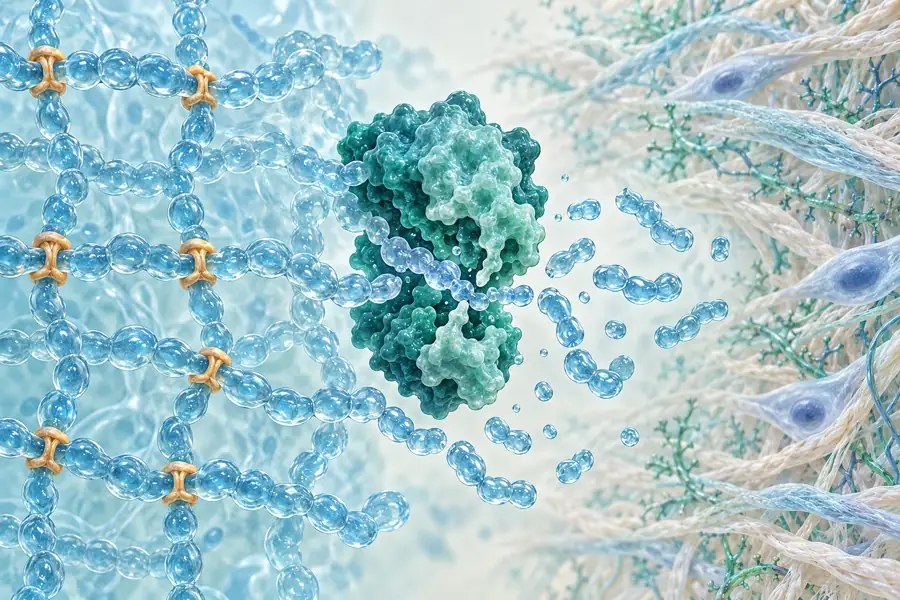
Hyaluronidase depolymerises hyaluronic acid. In aesthetic practice it does two very different jobs, and conflating them is a mistake.
Elective dissolution. Removing filler that is misplaced, overfilled, lumpy or producing a Tyndall effect. Small doses, unhurried, with the understanding that the patient’s own tissue hyaluronic acid is also affected and takes time to recover.
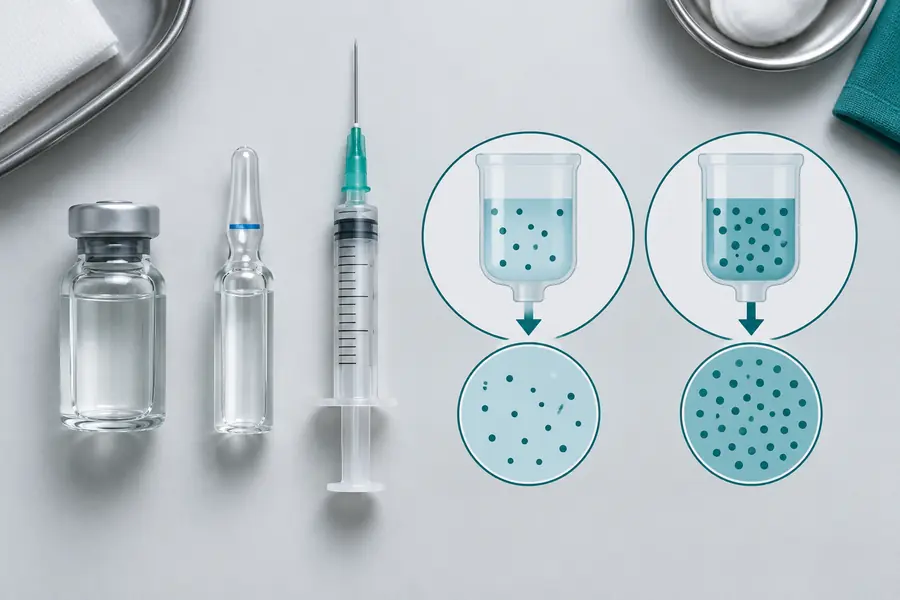
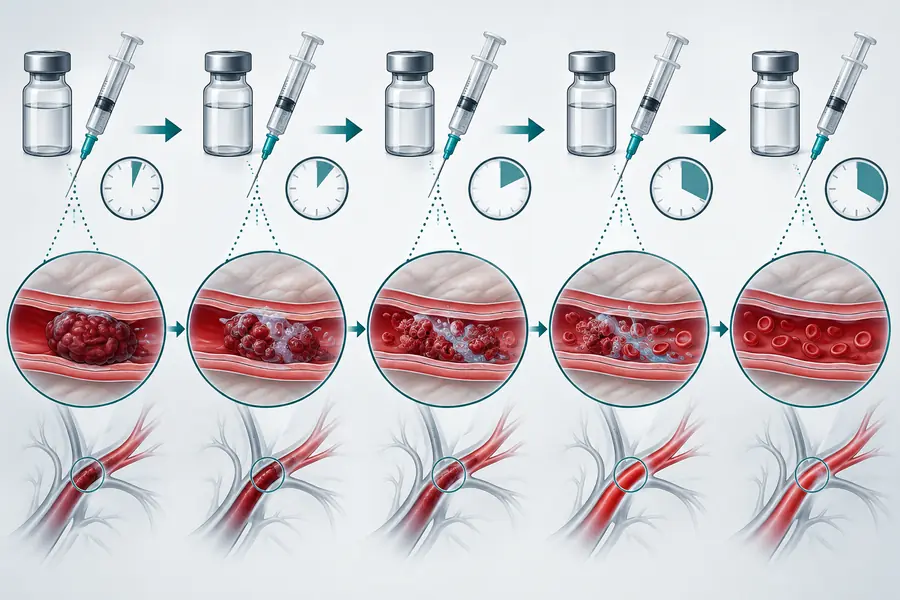
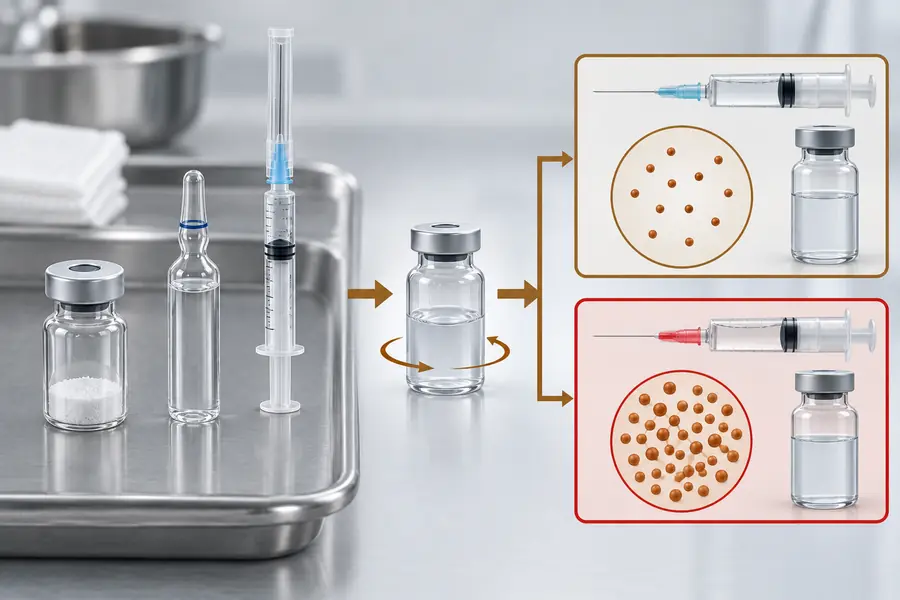
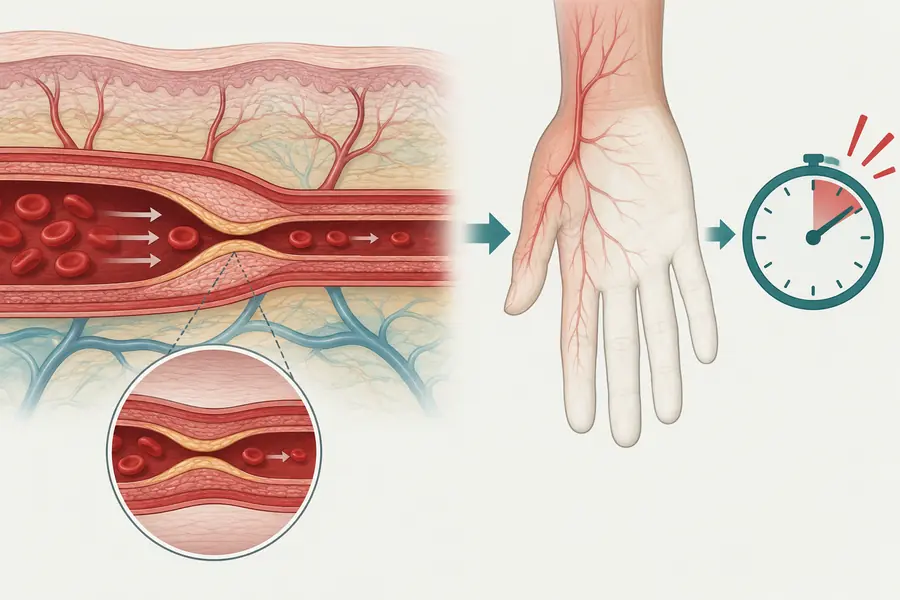
Emergency reversal. Managing vascular occlusion, where the aim is to clear an obstruction before ischaemic tissue dies. This is not the elective dose scaled up slightly. Published guidance describes a high-dose pulsed protocol, reconstituting at around 1500 units per 1 mL and repeating at intervals until perfusion returns, with reported total doses running into thousands or tens of thousands of units across a course.
Two points recur in the case literature. Early administration matters most — but late intervention has still produced successful outcomes, so a delayed presentation is not a reason to withhold treatment. And the endpoint is clinical: dosing continues until capillary refill and colour return, rather than stopping at a predetermined number.
Hyaluronidase does not work on calcium hydroxylapatite, poly-L-lactic acid or permanent fillers. An occlusion caused by those materials has no equivalent antidote, which is a substantial part of the safety argument for hyaluronic acid.