Impairment
Loss of function following injectable treatment — motor, sensory or visual — distinguished from cosmetic dissatisfaction because the mechanism and the urgency differ.
Impairment in this context means loss of function rather than loss of appearance, and the distinction matters because it changes what must happen next.
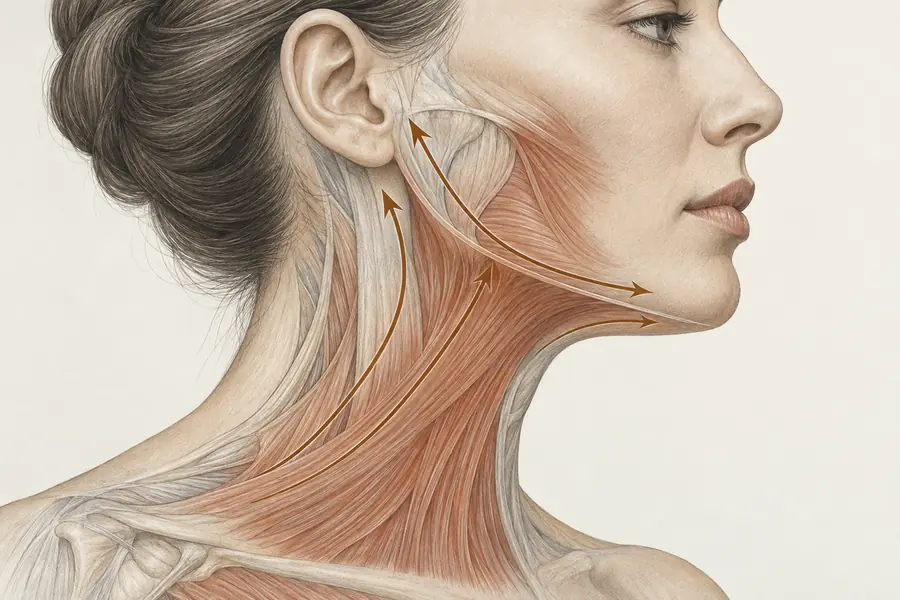
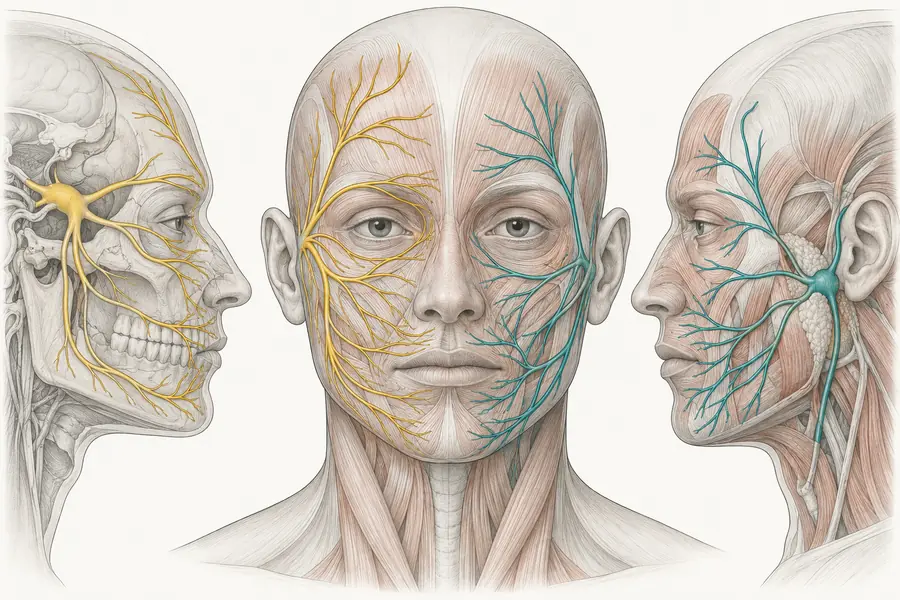
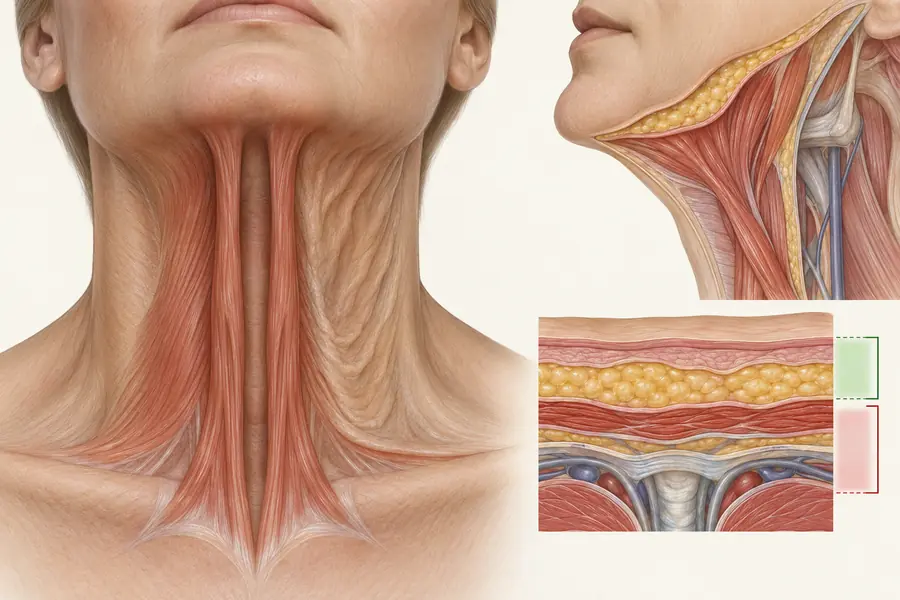
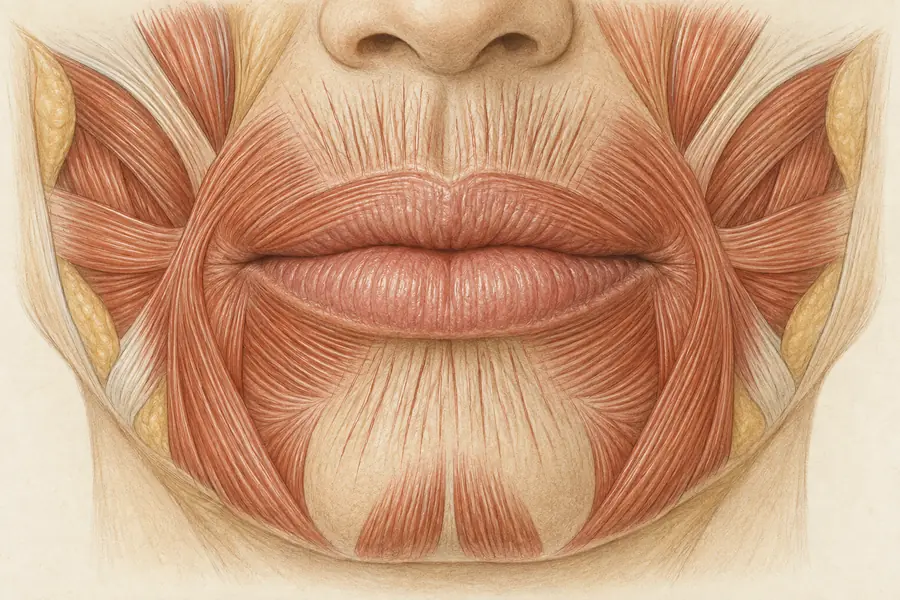
Motor impairment usually follows diffusion of botulinum toxin into a muscle that was not the target: ptosis from the levator palpebrae, brow asymmetry from uneven frontalis weakening, an altered smile from the depressor group, difficulty with a straw or with speech after perioral treatment. It is temporary, resolving as the neuromuscular junction recovers over weeks to a few months, but it cannot be reversed on demand.
Sensory impairment — numbness, paraesthesia, dysaesthesia — points to nerve involvement, whether from direct trauma, compression by product or by haematoma.
Visual impairment is the emergency. Any change in vision during or after facial injection is treated as a vascular event until proven otherwise, because the window before retinal ischaemia becomes irreversible is measured in tens of minutes.
The pattern that separates them clinically is onset. Motor impairment from toxin appears over days. Vascular impairment appears immediately.