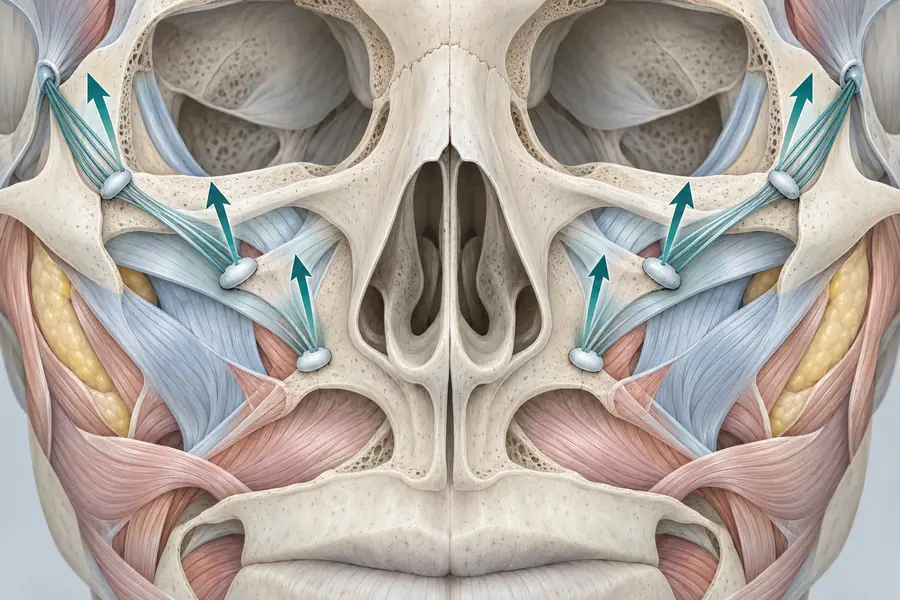
Injectable fillers
The product class as a whole — hyaluronic acid, calcium hydroxylapatite, poly-L-lactic acid and permanent materials — distinguished by whether and how they can be removed.
Injectable fillers are grouped most usefully by reversibility, because that is what determines the consequences of an error.
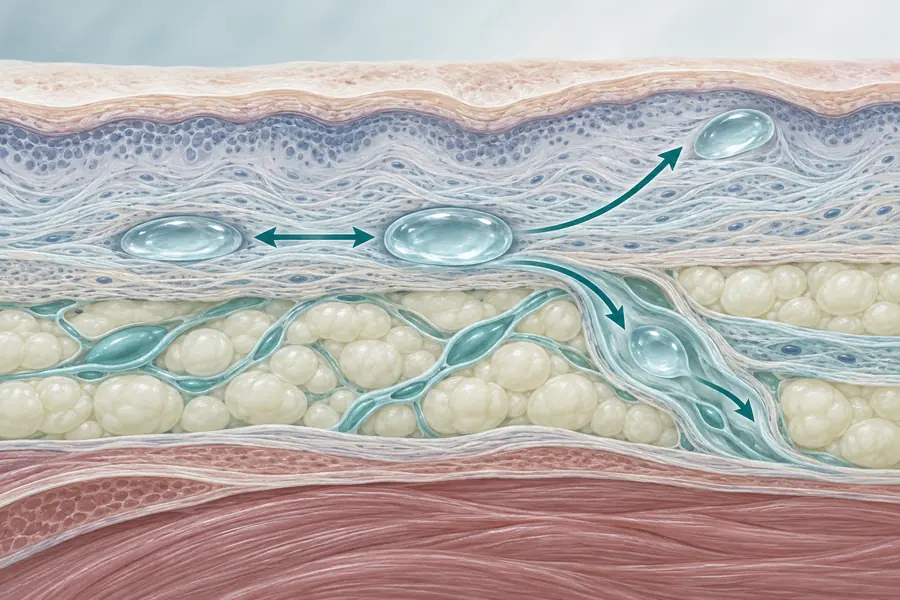
Reversible. Hyaluronic acid, degradable on demand with hyaluronidase.
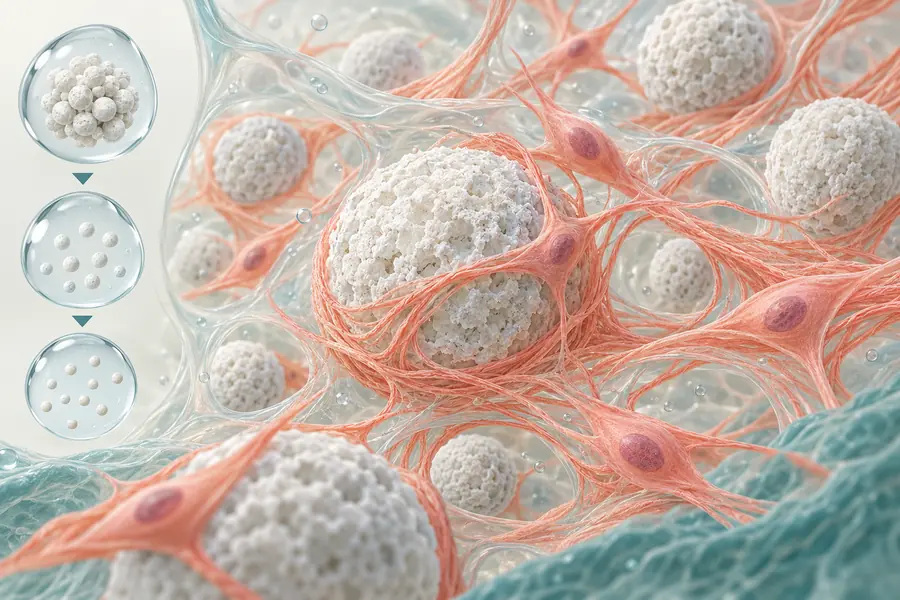
Biodegradable but not reversible. Calcium hydroxylapatite and poly-L-lactic acid. They resorb over months to years, but there is no enzyme that removes them quickly. A vascular event with these materials cannot be dissolved — management is limited to supportive measures while the tissue survives or does not.
Permanent. Polymethylmethacrylate and silicone. These do not resorb. Complications associated with them are correspondingly permanent, and late granulomatous reactions can appear years after an uneventful placement.
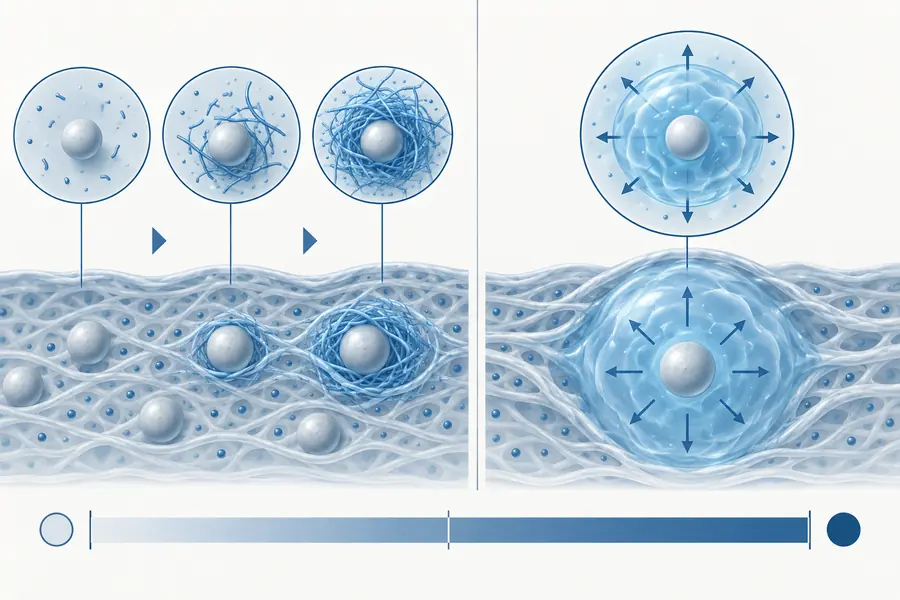
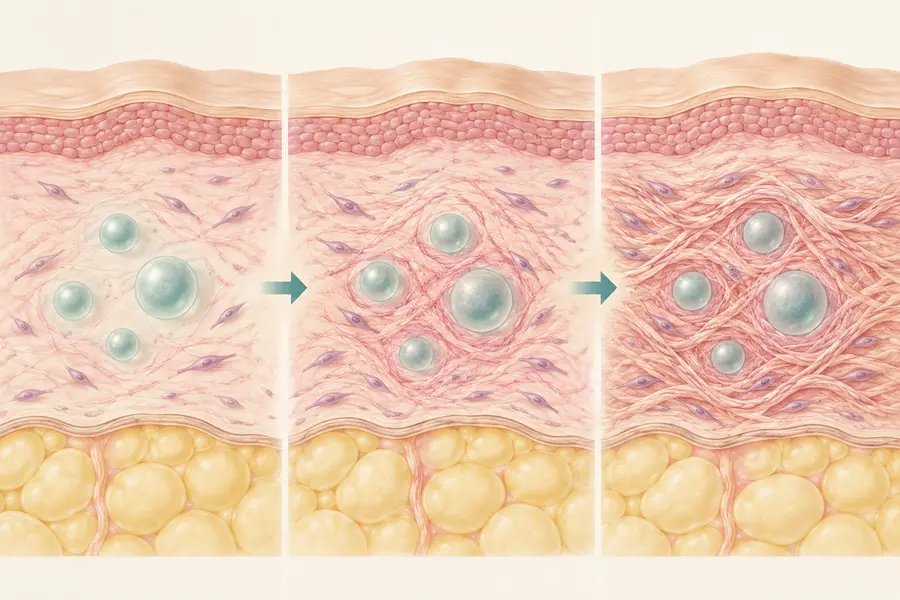
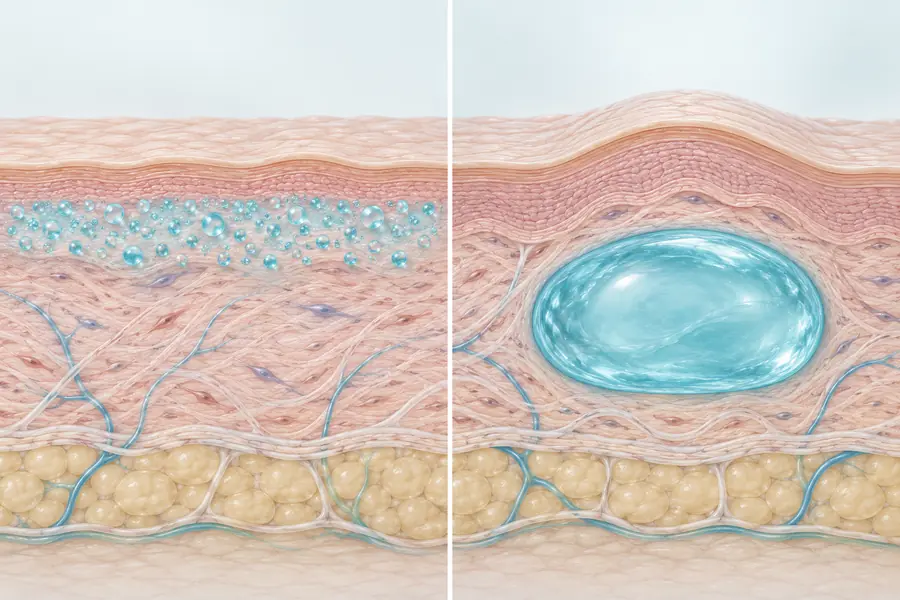
The second axis is mechanism: some fillers replace volume immediately, others stimulate the patient’s own collagen over months. Mixing these up in consultation is a common source of disappointment, because a stimulator gives nothing on the day and a volumiser gives everything on the day.
The trend across the field has been decisively toward reversible products, and the safety argument is the whole of the reason.