Vascular occlusion
Also written: vascular occulsion
Blockage of a vessel by injected filler, producing ischaemia in the territory it supplied — the emergency that governs how injectable practice is set up.
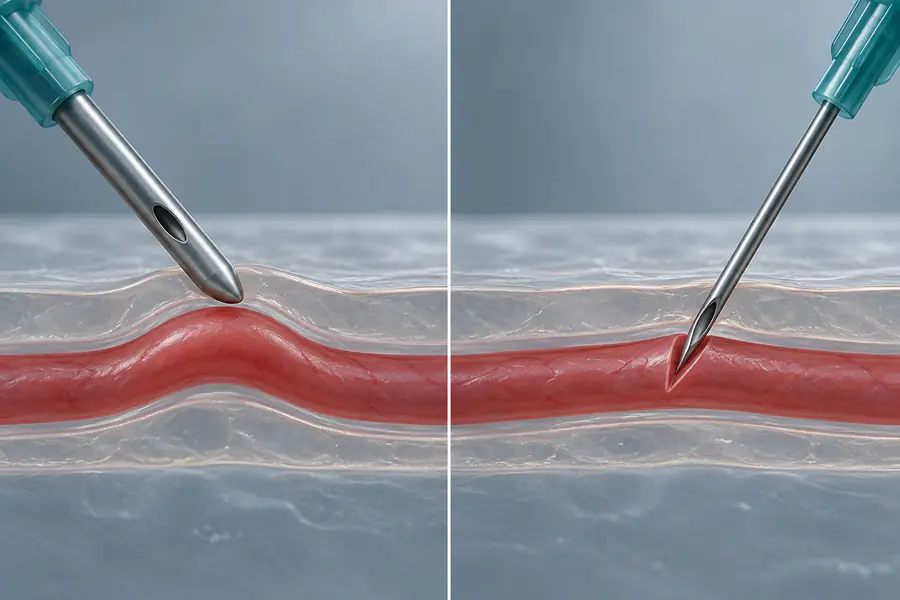
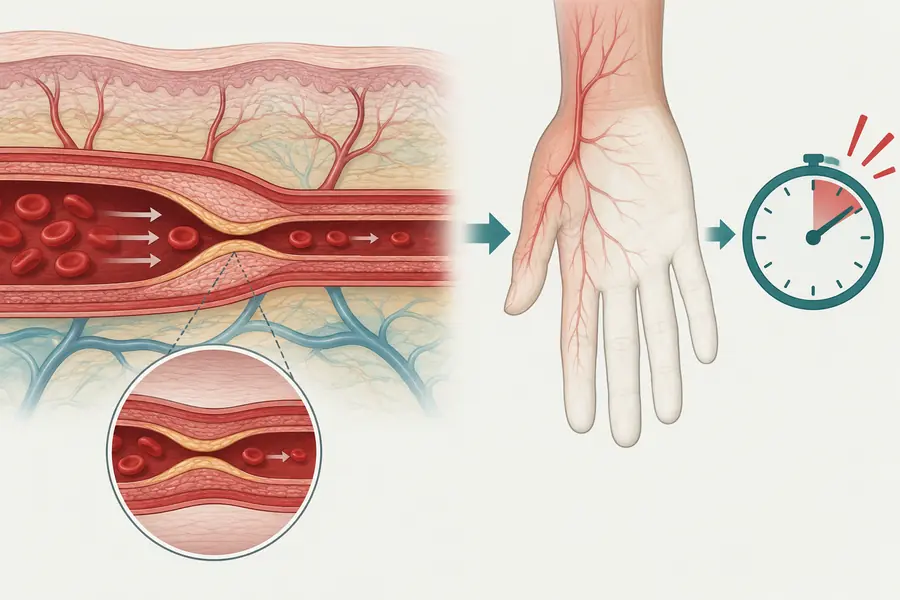
Vascular occlusion is obstruction of a vessel by injected material. It is the complication around which safe injectable practice is organised.
(The original site spelled this tag “occulsion”; the address is preserved, the term is not.)
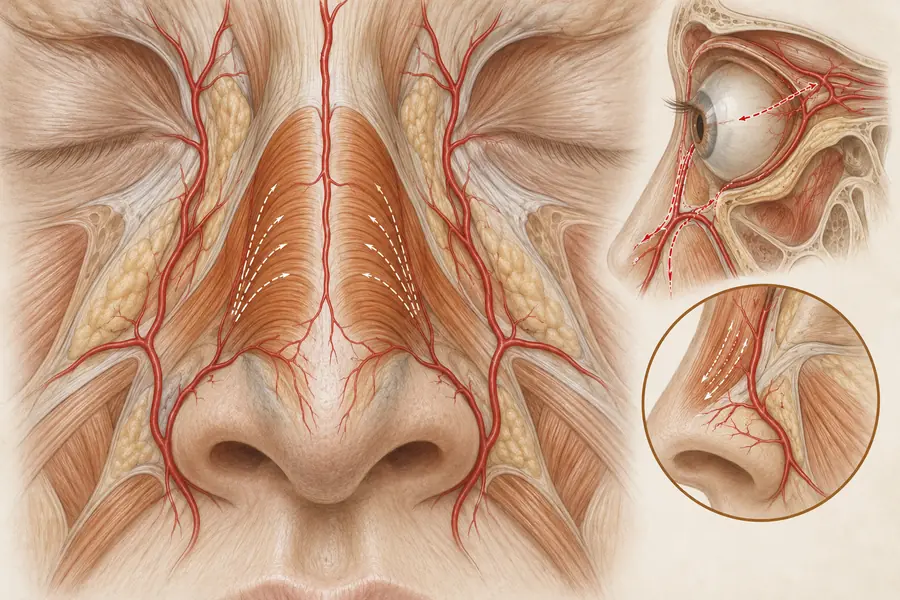
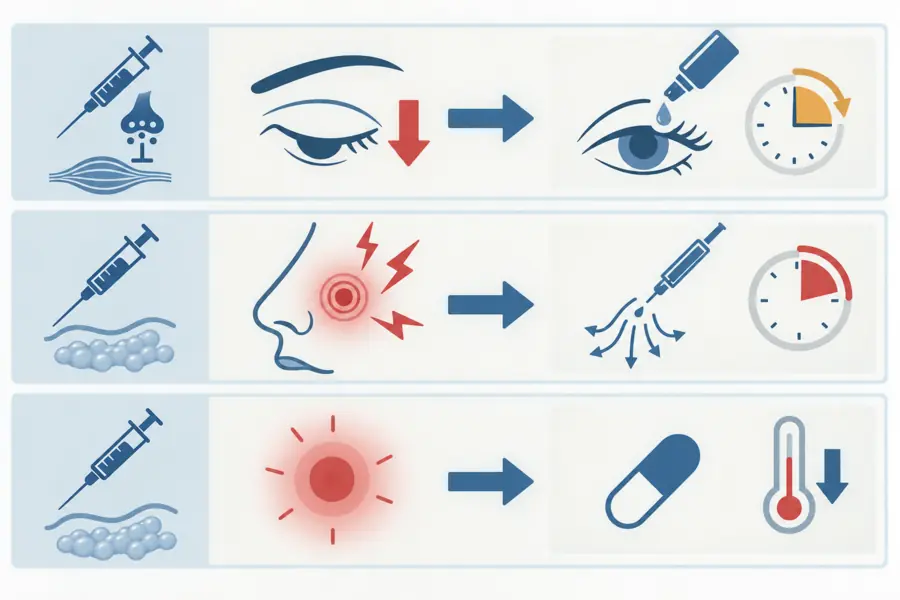
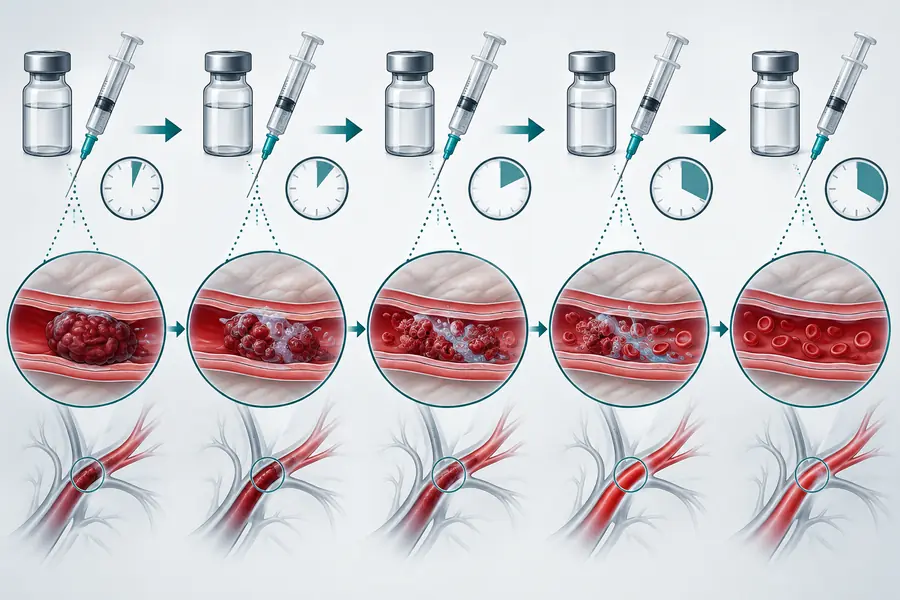
Recognition. Blanching that follows a vascular territory rather than the shape of the injection. Pain that is disproportionate — or, misleadingly, absent, since anaesthetic ischaemia occurs. Over hours: dusky reticulated mottling, then blistering. Sluggish or absent capillary refill. Any visual symptom is treated as occlusion until disproved.
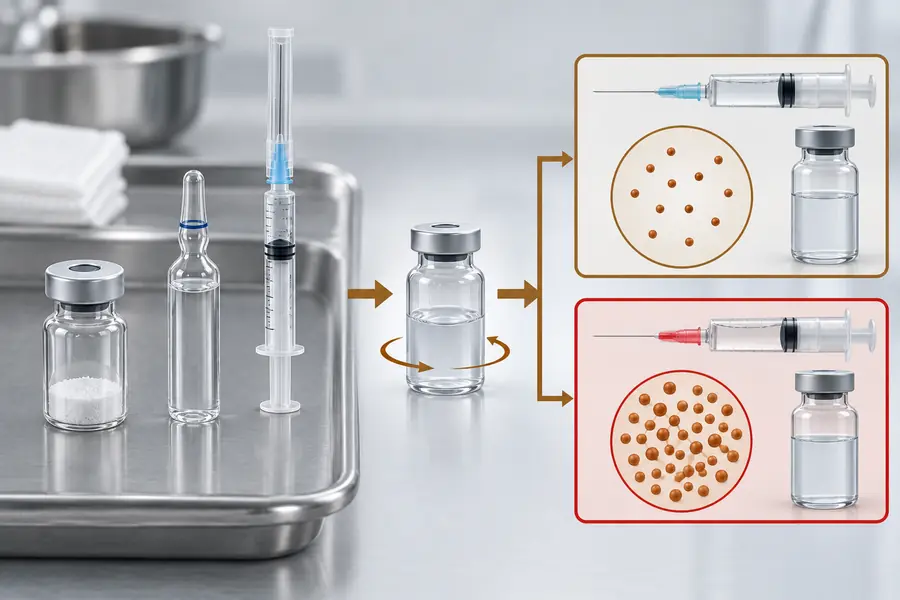
Management for hyaluronic acid. Stop injecting. High-dose pulsed hyaluronidase, flooding the affected territory rather than a token dose at the site, repeated at intervals until perfusion returns — published protocols describe reconstitution at around 1500 units per 1 mL and cumulative doses running to thousands of units. Warmth and gentle massage to encourage flow. Aspirin per local protocol. Photograph and review daily. Case reports show that late intervention can still succeed, so a delayed presentation is not a reason to withhold treatment.
Management for other fillers. There is no dissolving agent. Supportive measures only, which is the strongest practical argument for reversible products in high-risk regions.
The preparation happens beforehand: hyaluronidase in date and on the premises, a written protocol, and a referral route agreed before the first syringe is opened.