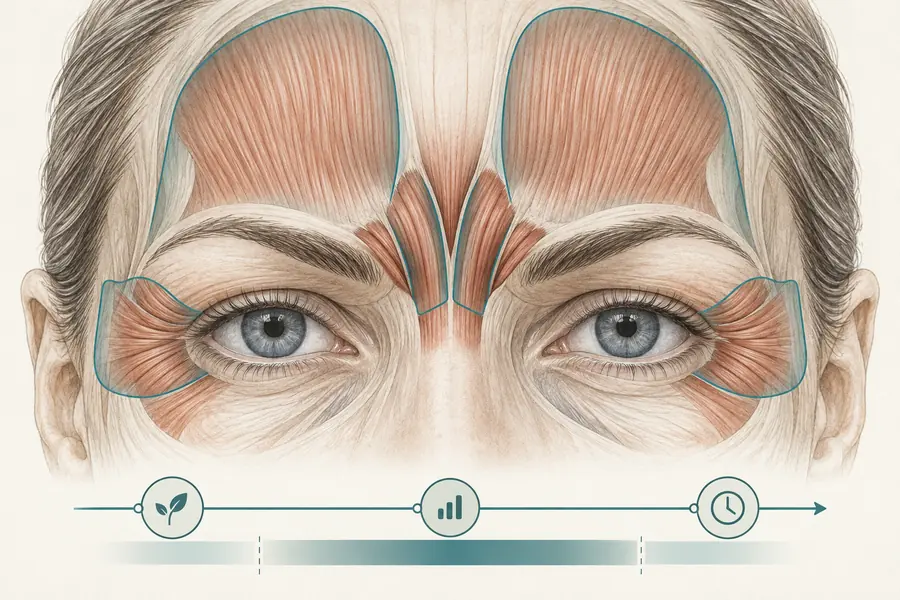
Injection anatomy
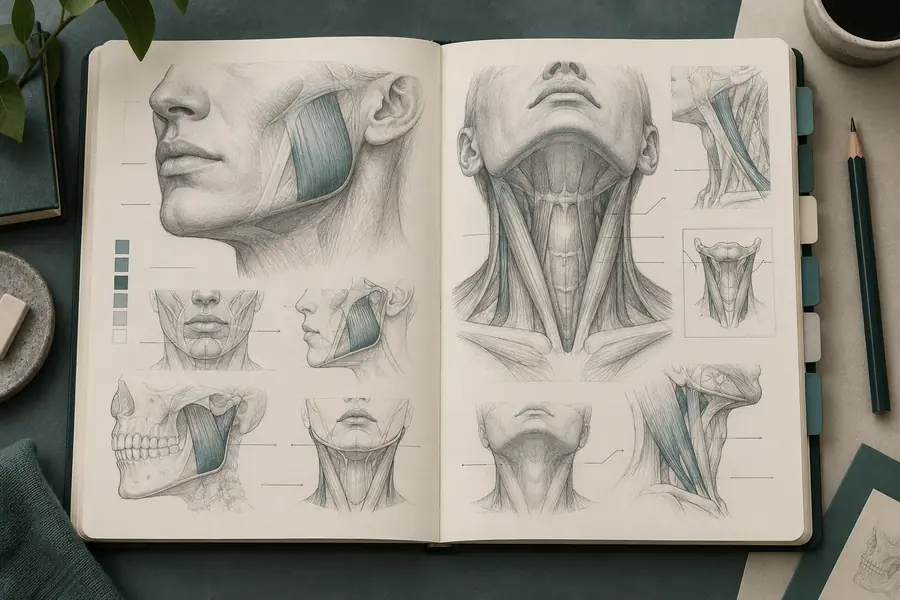
The applied anatomy of the face read for injectable practice: layers, planes, danger zones and the vessels and nerves that determine where a needle can safely go.
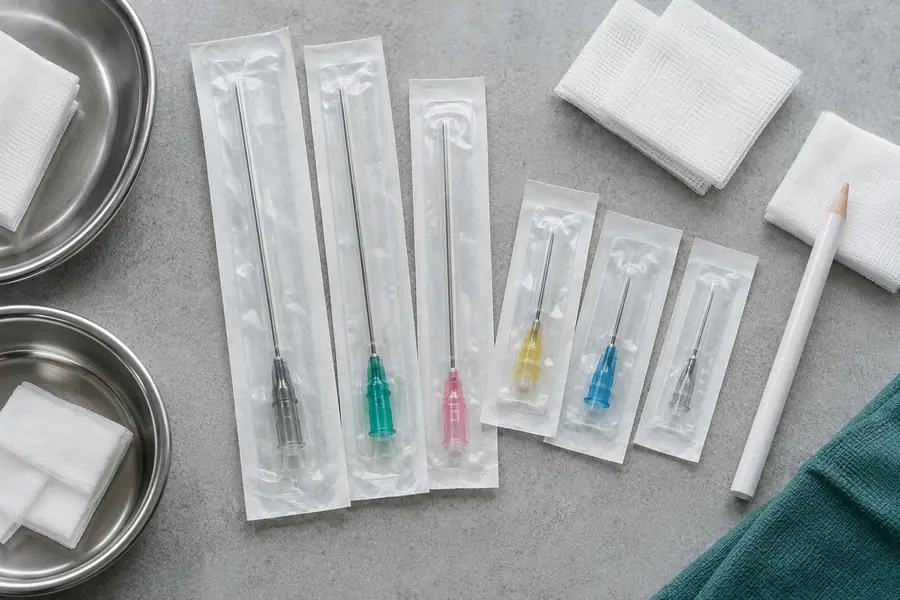
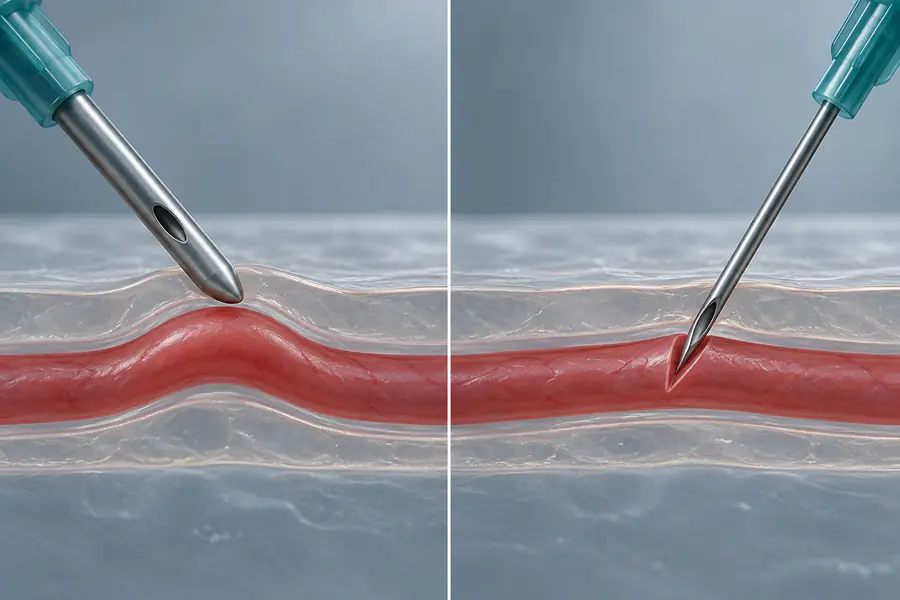
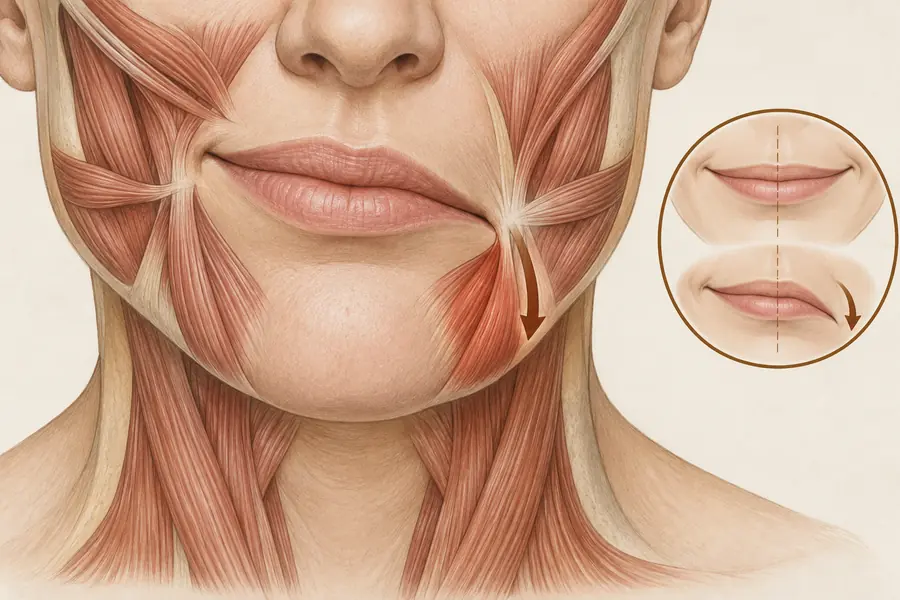
Injection anatomy is facial anatomy re-read for a specific purpose: deciding where a needle or cannula can be placed, at what depth, and what lies beneath if that judgement is wrong.
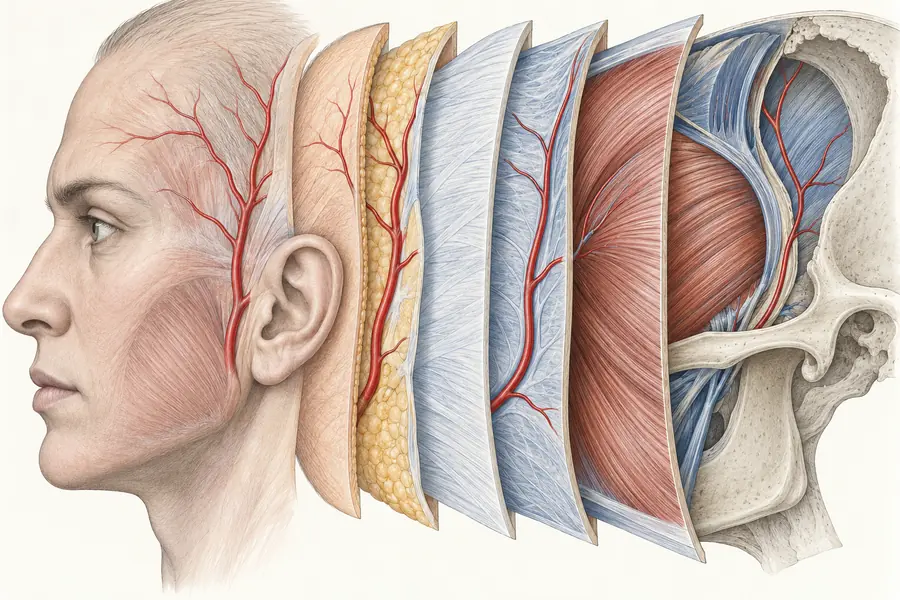
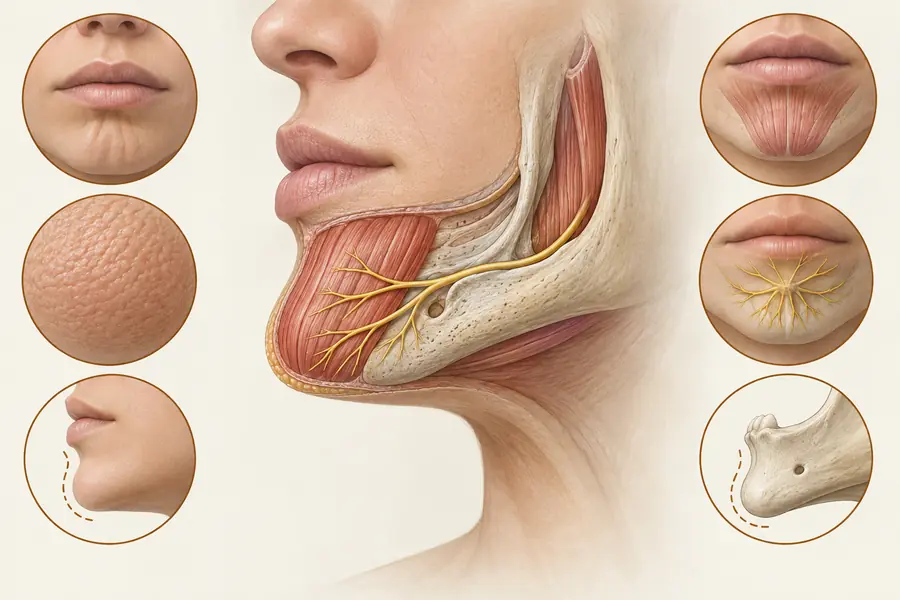
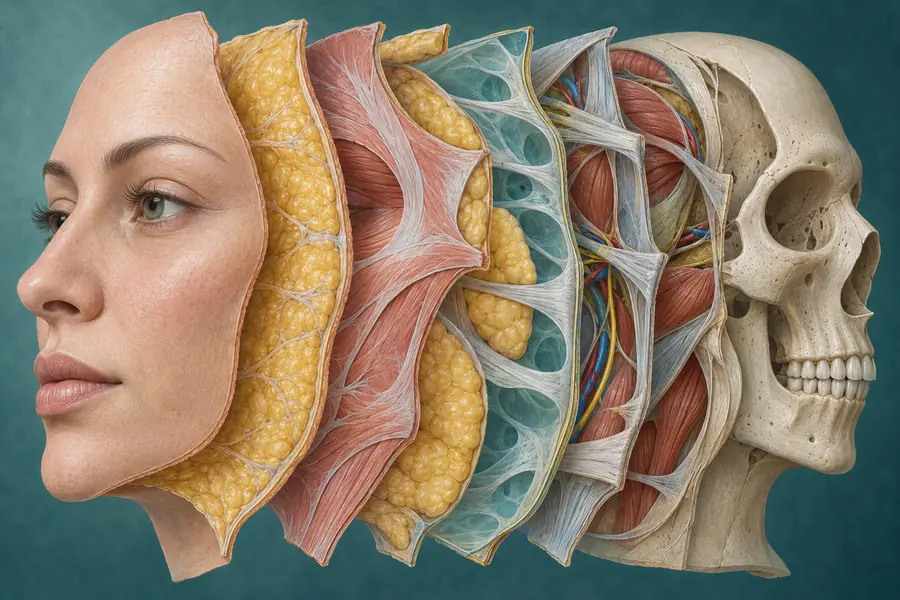
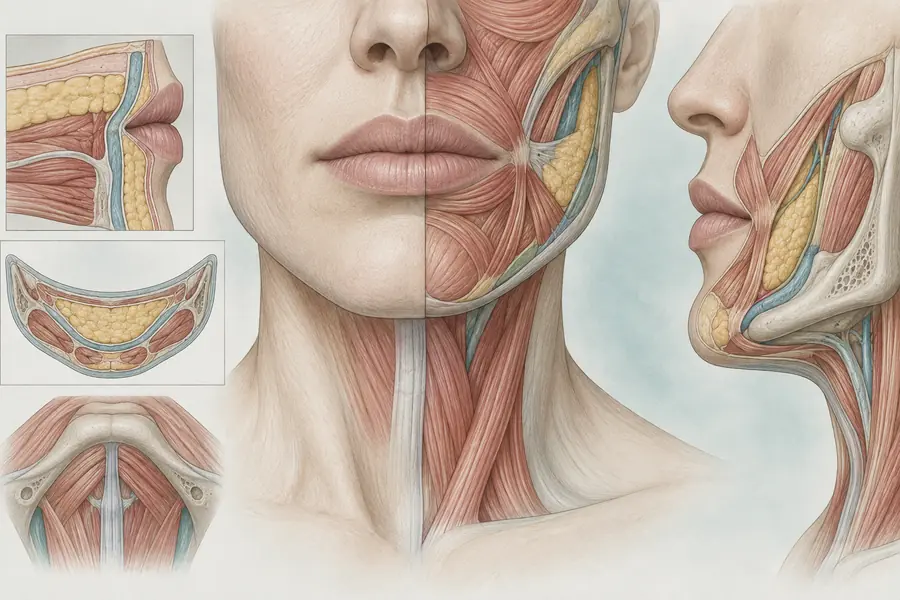
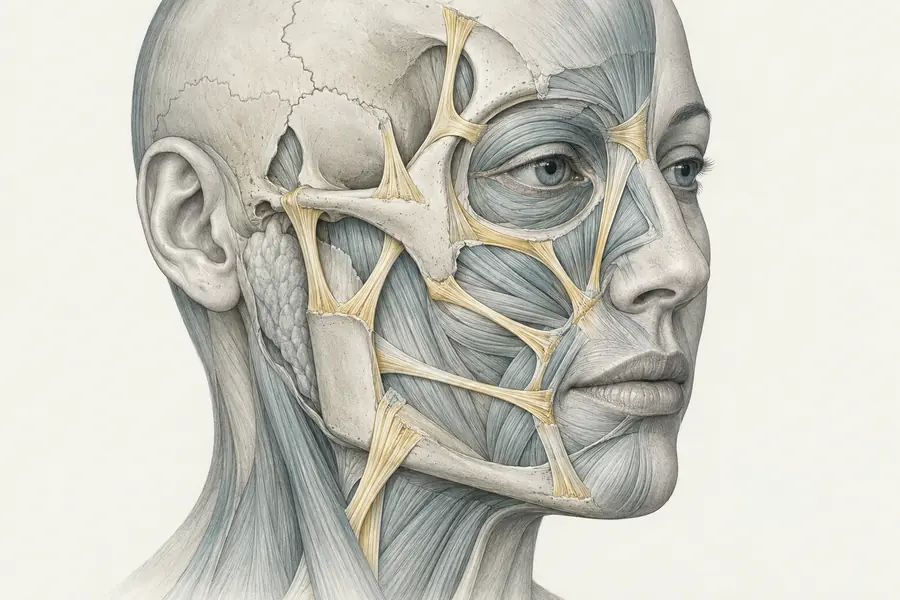
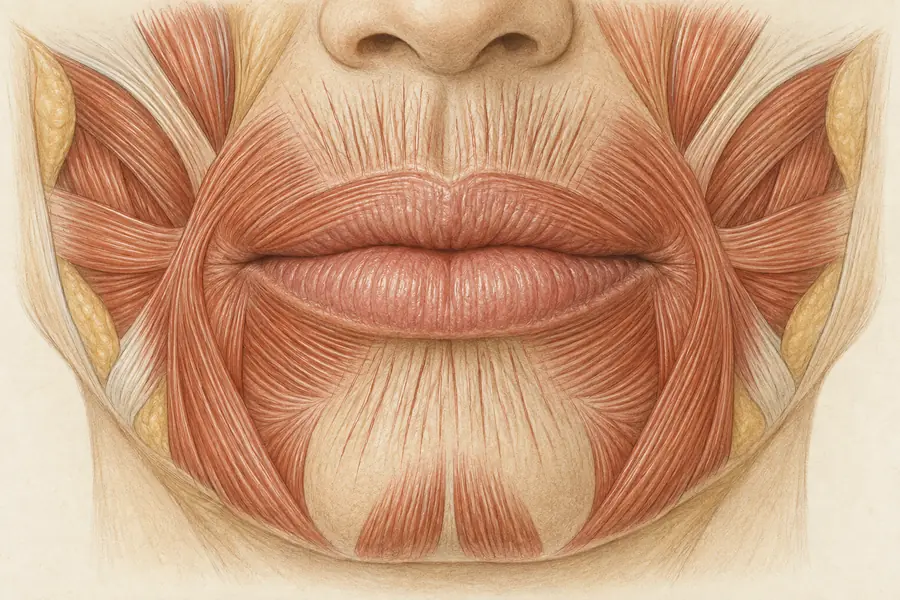
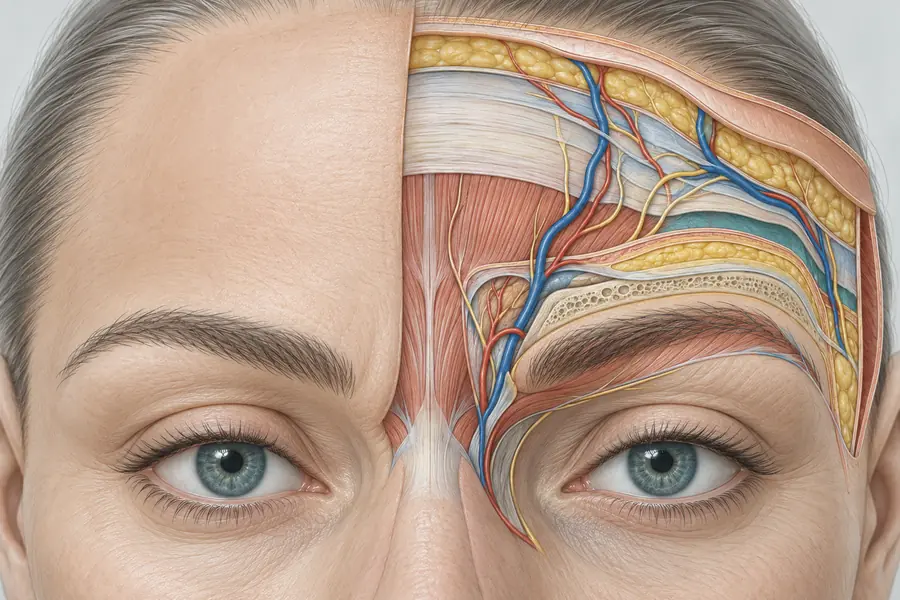
The organising idea is layers. Across most of the face the arrangement runs: skin, subcutaneous fat, superficial musculoaponeurotic system, deep fat compartments, deep fascia and periosteum. The layers are continuous but change thickness, and in some regions two of them fuse — which is why a plane that is reliable in the midface may not exist in the temple.
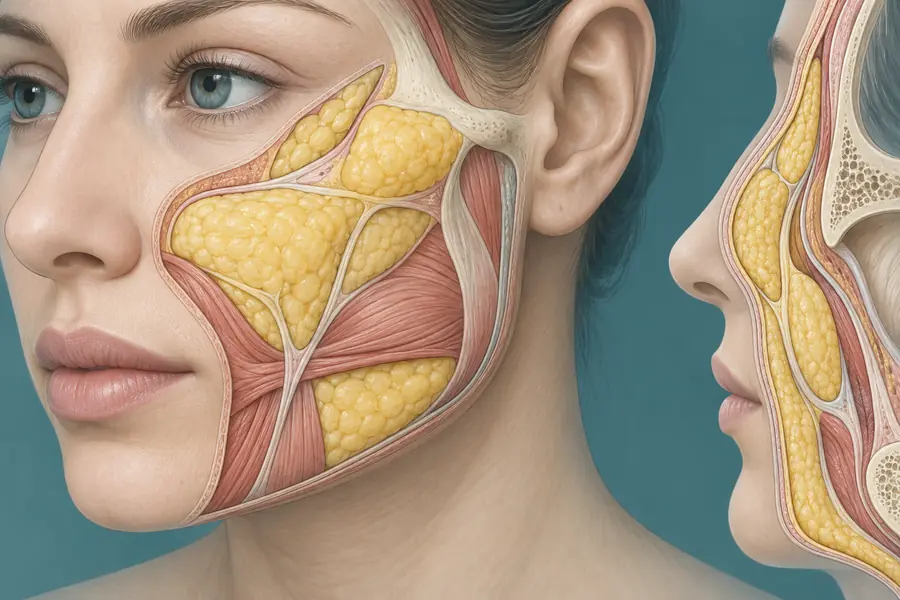
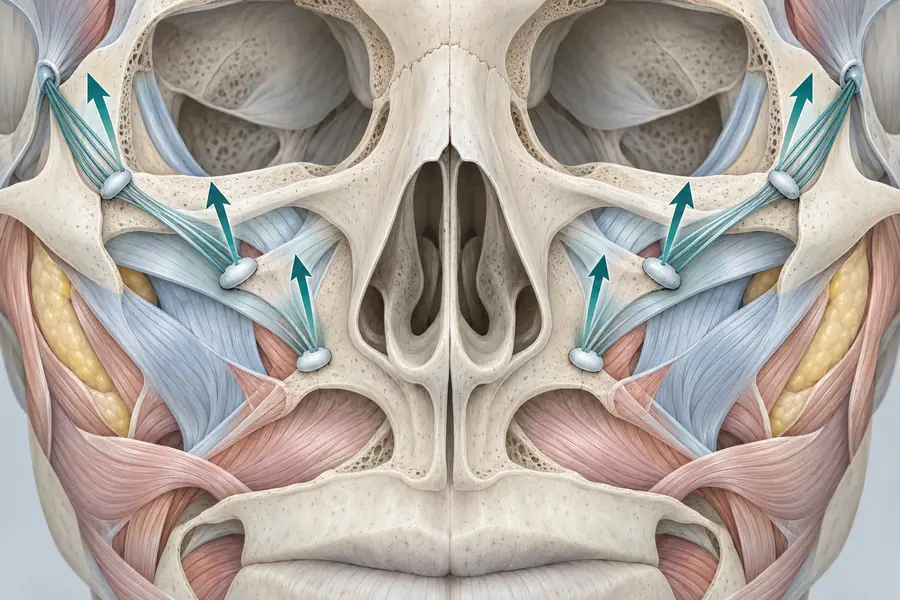
The second idea is compartments. Facial fat is not one sheet but a set of discrete pads separated by septa and tethered by retaining ligaments. Injecting into a compartment produces a different result from injecting across a septum.
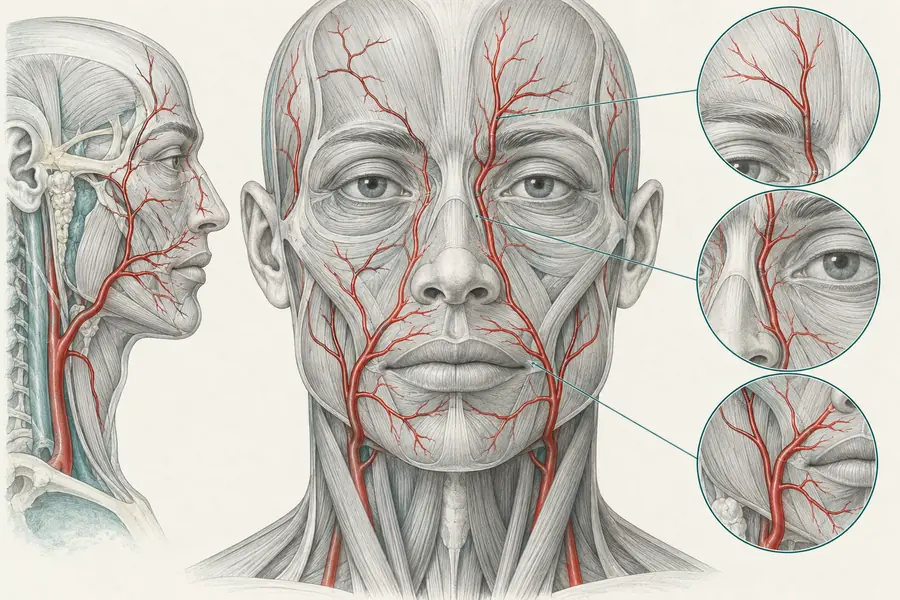
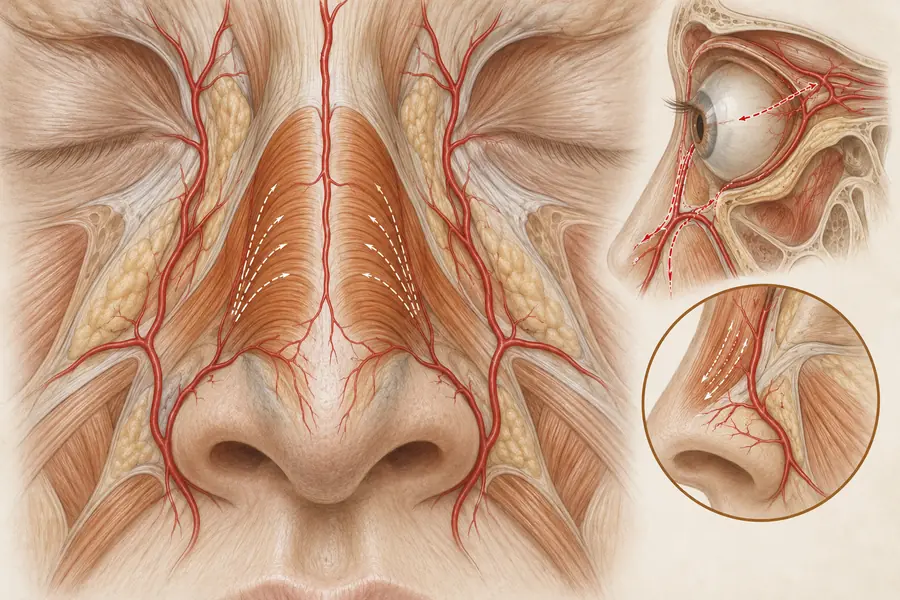
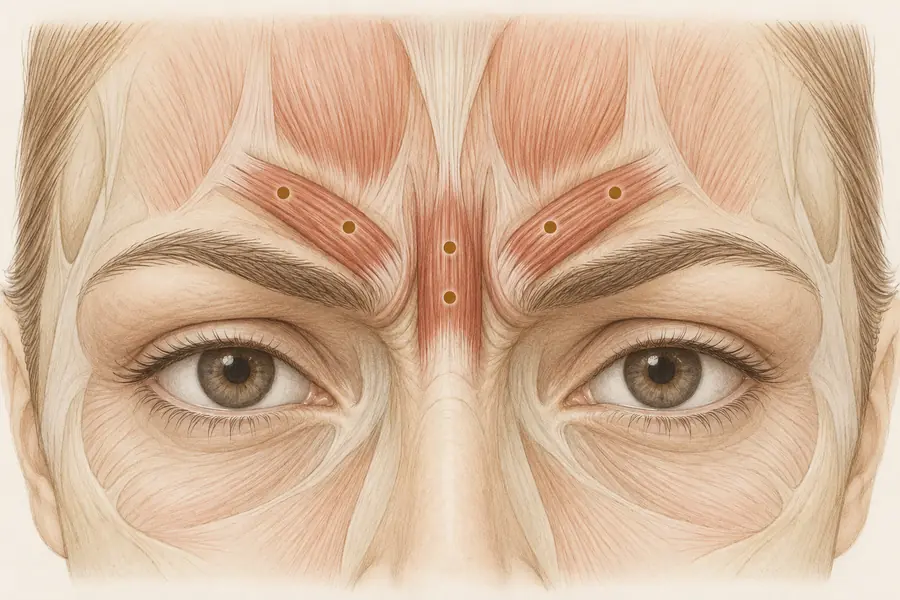
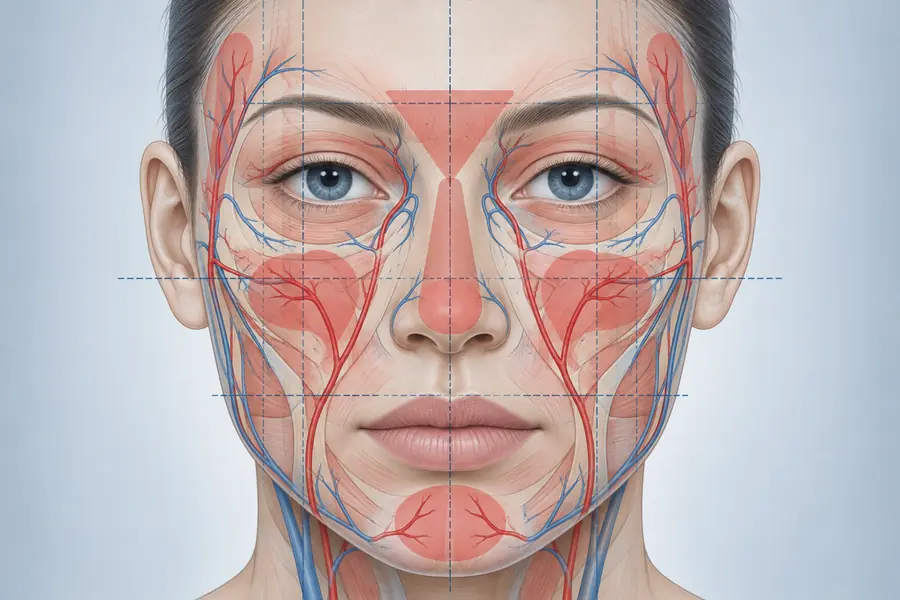
The third is danger zones: regions where named vessels run predictably and where the published complication literature concentrates — glabella, nasal dorsum, tear trough, temple, nasolabial fold.
The recurring caution in cadaveric studies is variability. The textbook diagram describes the commonest arrangement, not a guaranteed one, and asymmetry between the two sides of a single face is ordinary.